
This was originally posted as a photo essay to Twitter in July 2025, after visiting Yiwu for the first time.
If you find this as interesting as I did and would like to see Yiwu for yourself, I will be leading a weekend immersion tour to Yiwu at the end of October in partnership with the team at Baiguan. Check more details about that here.
About Yiwu
Located in central Zhejiang just a few hours south of Shanghai on the high-speed rail, the small county-level city of Yiwu is the small commodities wholesale procurement capital of the world. Despite that, it’s still basically unknown outside of a few sectors.
Originally, I visited and wrote about Yiwu assuming that it would become part of my “Off the Beaten Track” series. But then I wasn’t so sure. Yiwu IS actually pretty well-known in the supply chain and sourcing sector. And to be fair, most Chinese people and even some non-Chinese will have heard of it too.
Sure, it’s not famous like Chongqing or Wuhan, but you can find many videos on domestic and international video platforms of people visiting the city, and the international media likes visiting Yiwu quite a lot as well, especially the Yiwu International Trade City (YITC), which is the largest light goods wholesale market in the world. So, I wondered: is it really off the beaten track?
In the end though I decided it indeed qualifies, after mentioning it to a few non-Chinese and getting blank stares. I guess it really isn’t known outside of the procurement and supply chain segments. Frankly, this is a shame, because if you have any kind of interest in international economics, trade, or globalization, Yiwu is one of the most educational places you will ever visit.
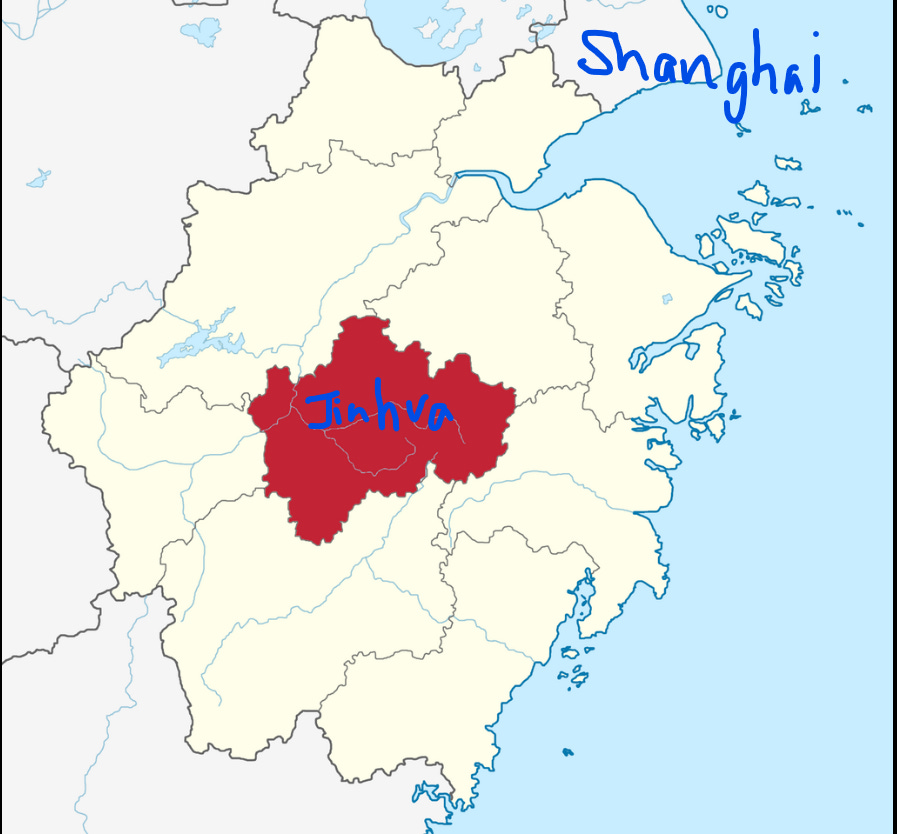
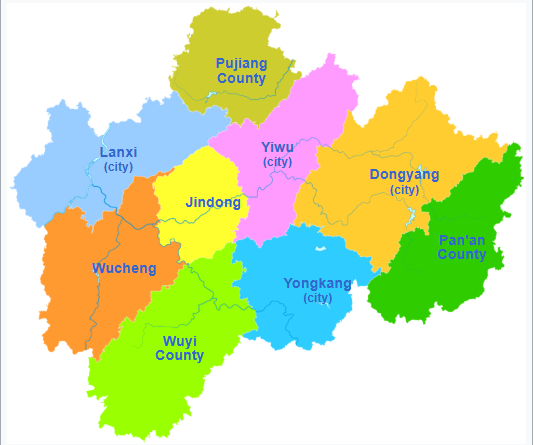
Administratively, Yiwu is part of the prefecture-level city of Jinhua, but it has a very strong identity of its own. I was told locals quite resent being categorized as part of Jinhua. This is simply an arrangement of administrative convenience.
Perhaps it’s because Yiwu was an independent city for most of its history until a restructure in the 1920s finally made it part of Jinhua…
…or perhaps it’s because Yiwu is the true economic anchor of the region, much more so than its “parent” city. Jinhua doesn’t even have an airport. It’s in Yiwu…
…or perhaps it’s because the population of Yiwu is larger than the population of Jinhua itself. Jinhua administers a total population of 7 million people, but “Jinhua Proper” - i.e. Wucheng District - has just shy of 1m. Yiwu has 1.9m…
Well, whatever the reason, there’s a lot of Yiwu pride, and zero affinity for Jinhua.
Yiwu today is famous as the small commodities (consumer goods) capital of China. Historically cursed with poor soil and subpar growing conditions, Yiwu was a commerce and trading hub long before the establishment of modern China. It was perhaps then naturally primed for its modern-day role.
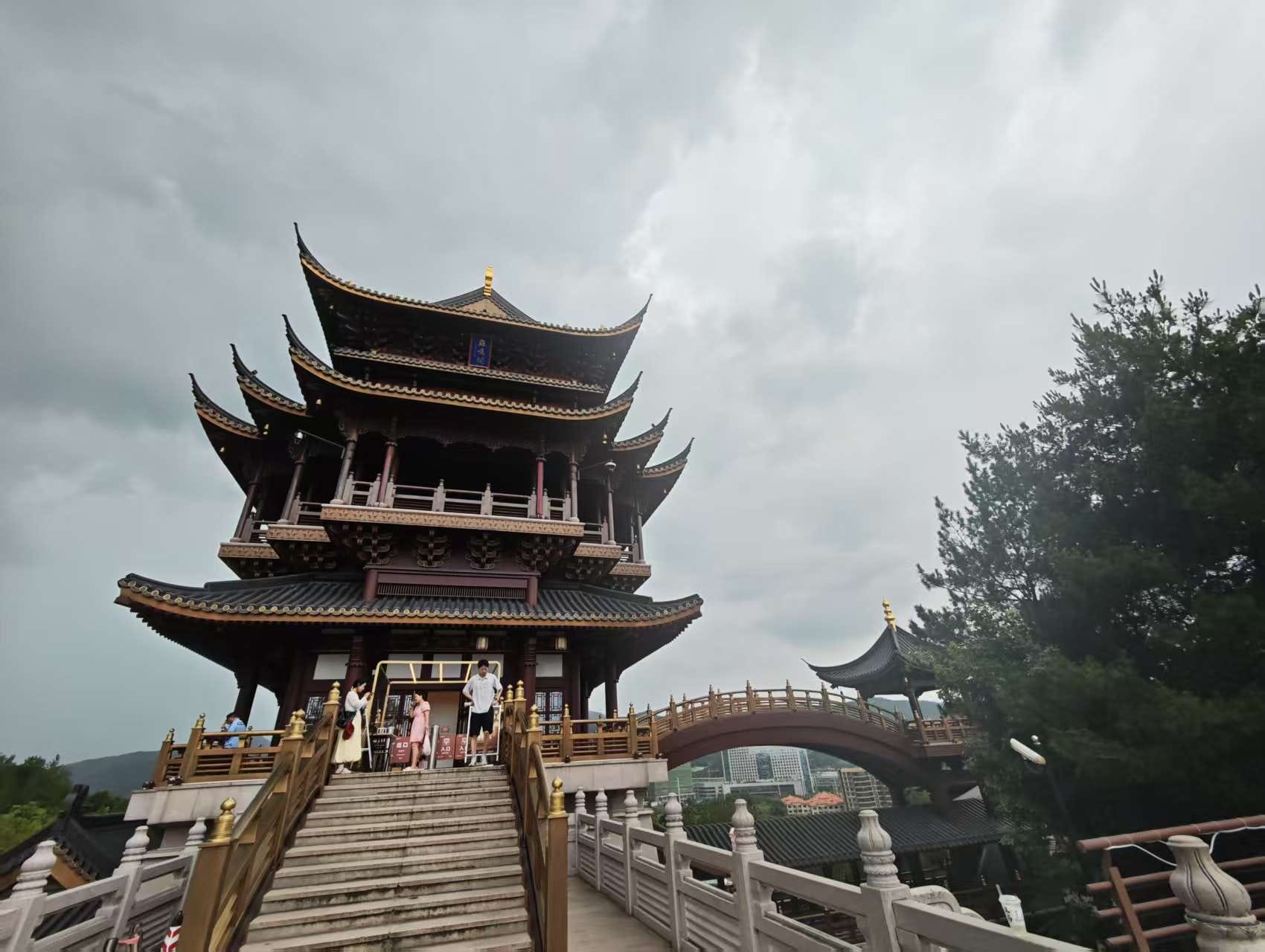
Walking the YITC
Following the economic reforms of the 80s, Yiwu re-grew itself into a light goods manufacturing and distribution center of unparalleled proportions under the savvy guidance of a forward-thinking County Party Secretary. This was also the origin of the Yiwu International Trade City (YITC), where most of Yiwu’s vendors are concentrated.
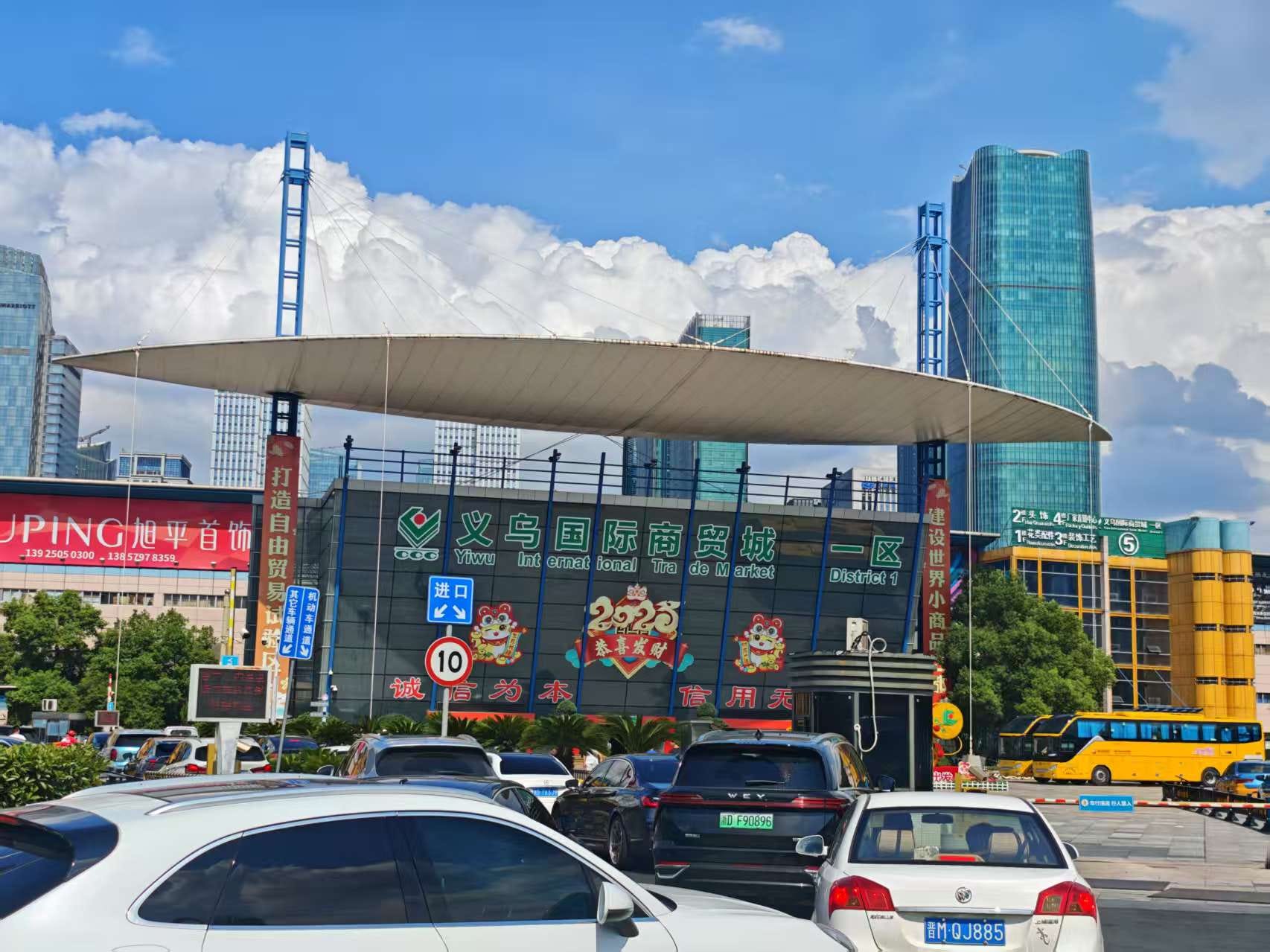
The city is filled with factory shops on every street, but the centerpiece of commercial activity is surely the YITC, a massive shopping mall sprawling across 5 huge buildings (called “districts”) each with 5 floors. It’s a 7km walk from end to end.
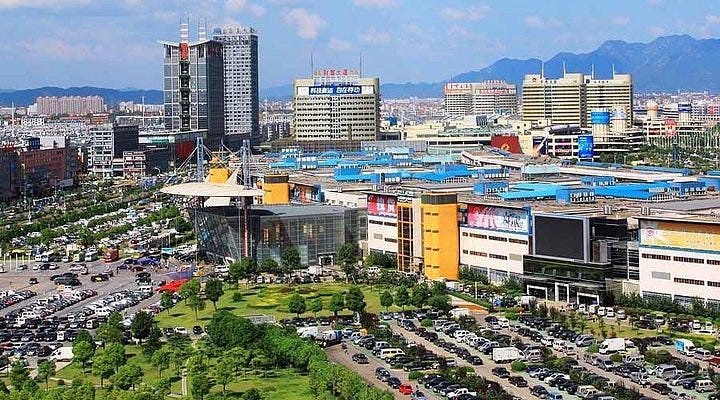
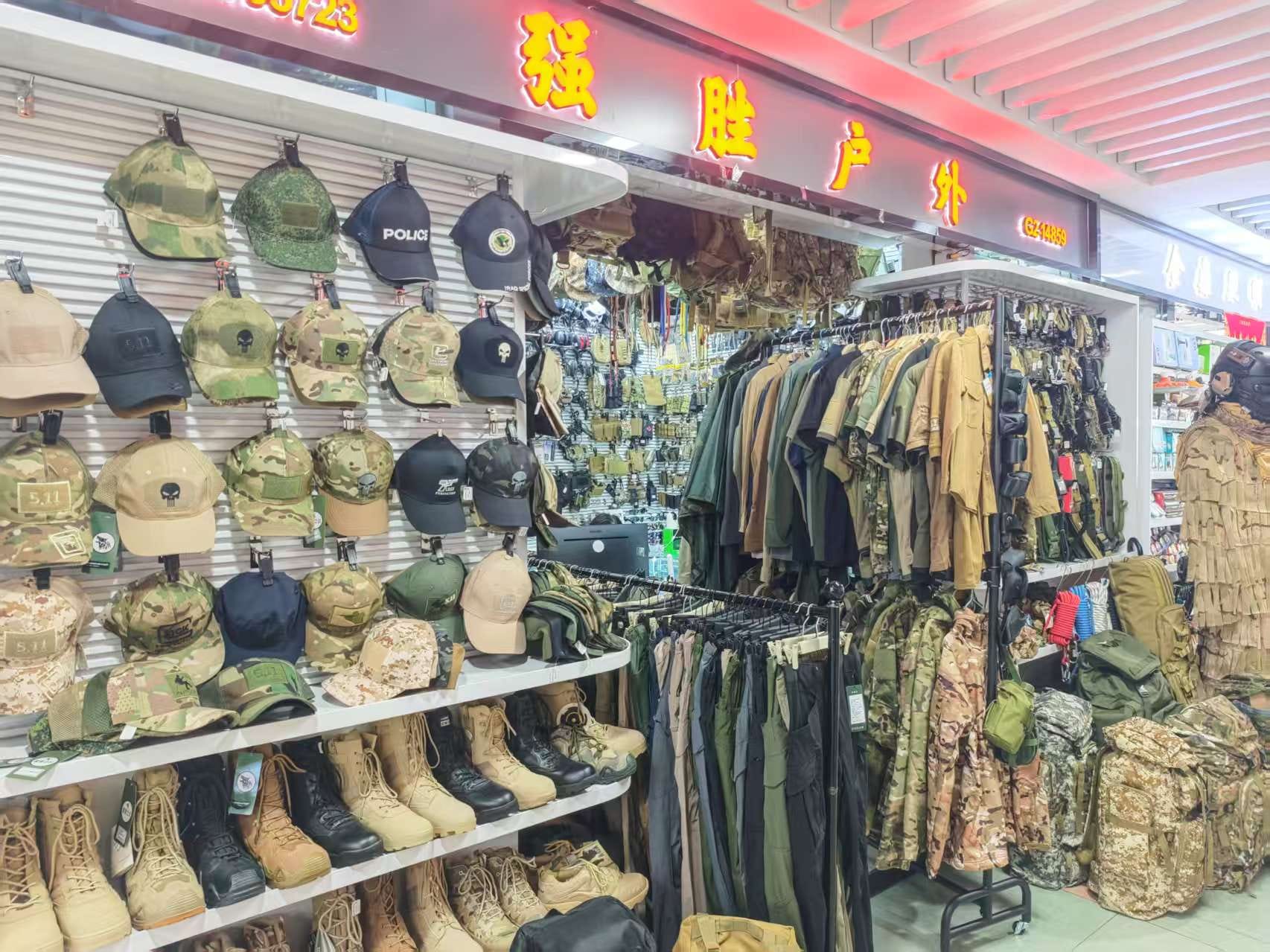
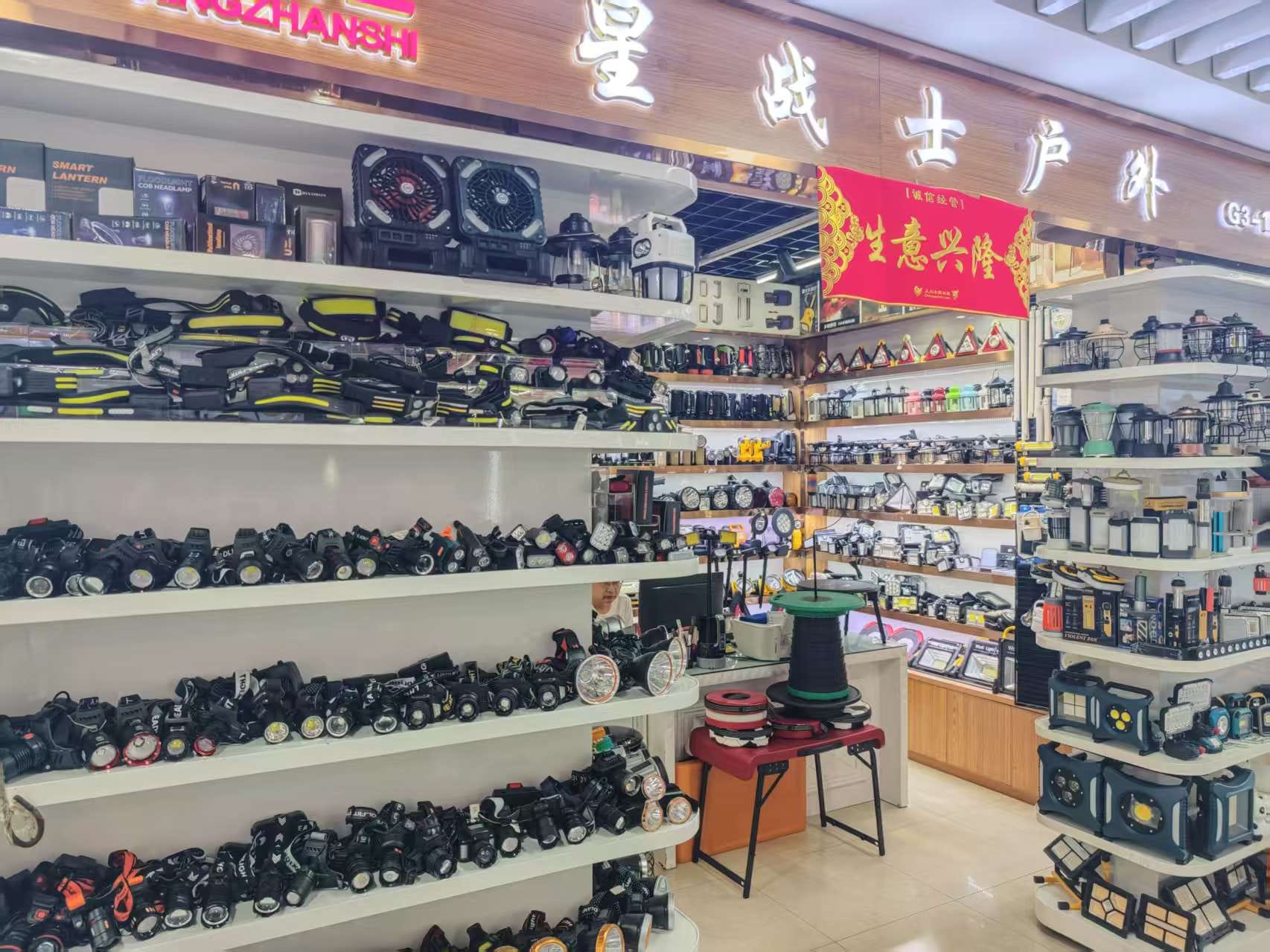
From stickers to sneakers, from helmets to hammers, from bicycles to birdcages, if it’s a small commercial commodity, today it’s distributed in the YITC.
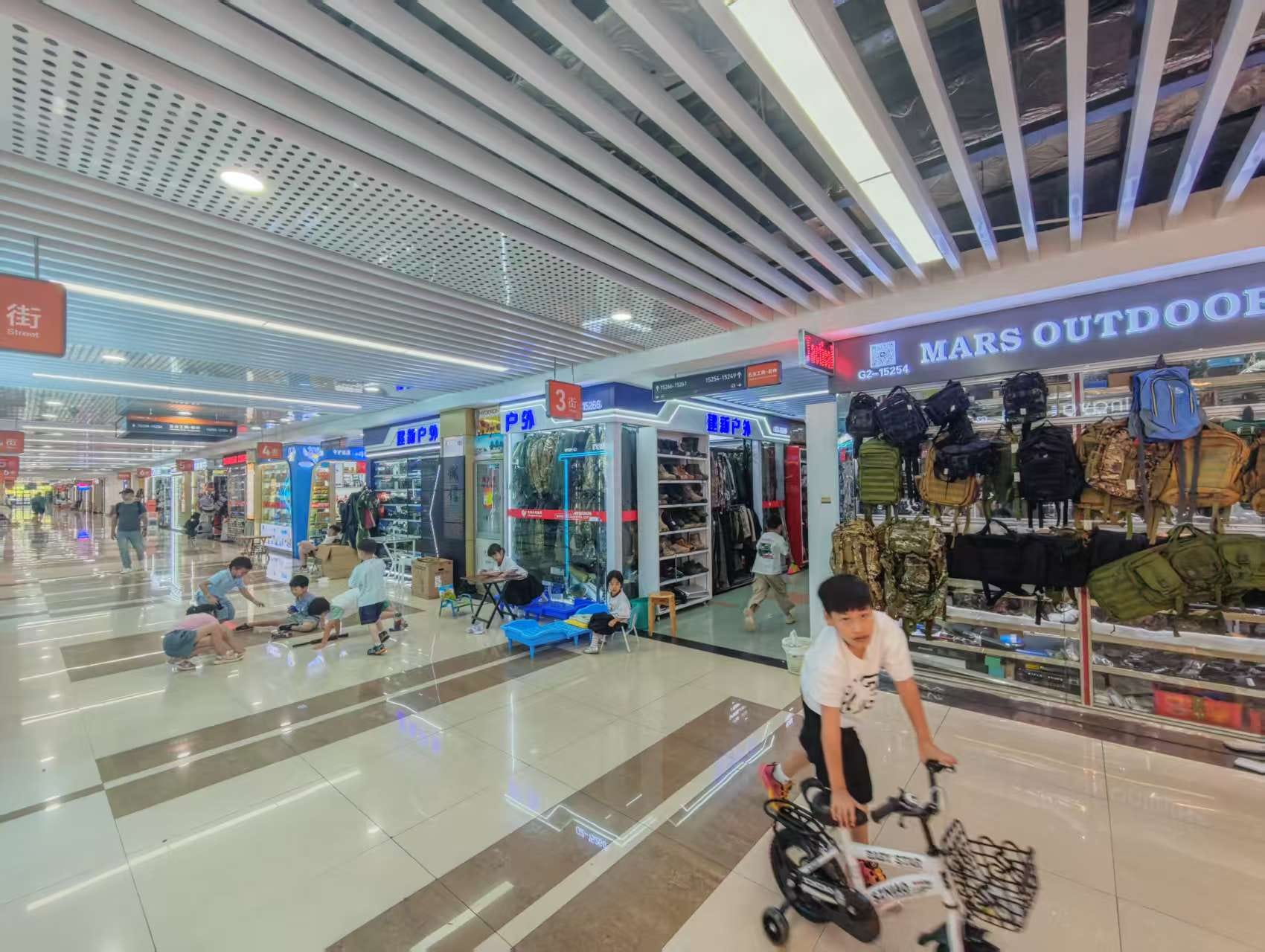
Tacticool camo? YITC has it.
Hands-free headlamps? YITC has it.
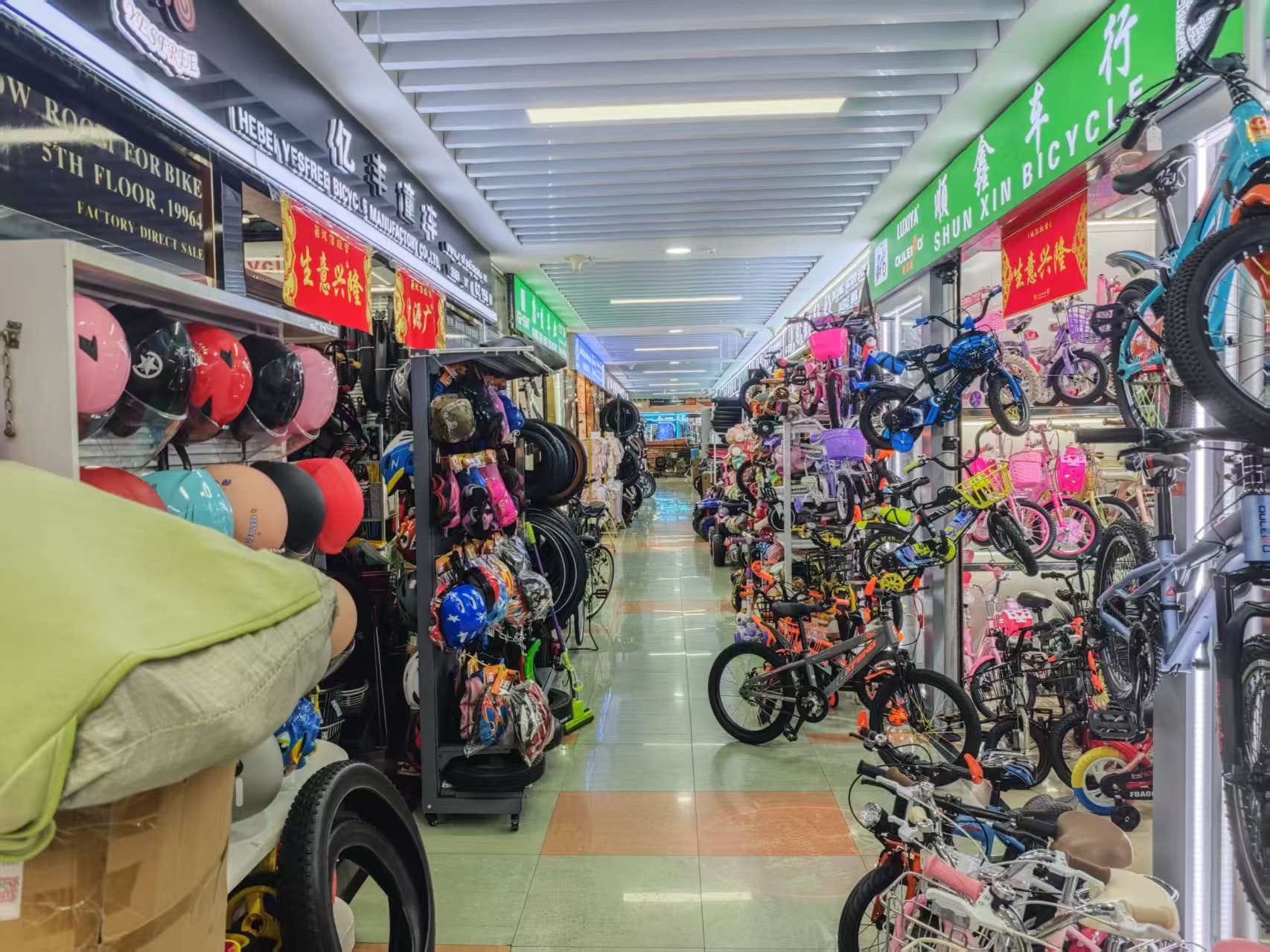
Kids’ bicycles? YITC has it.
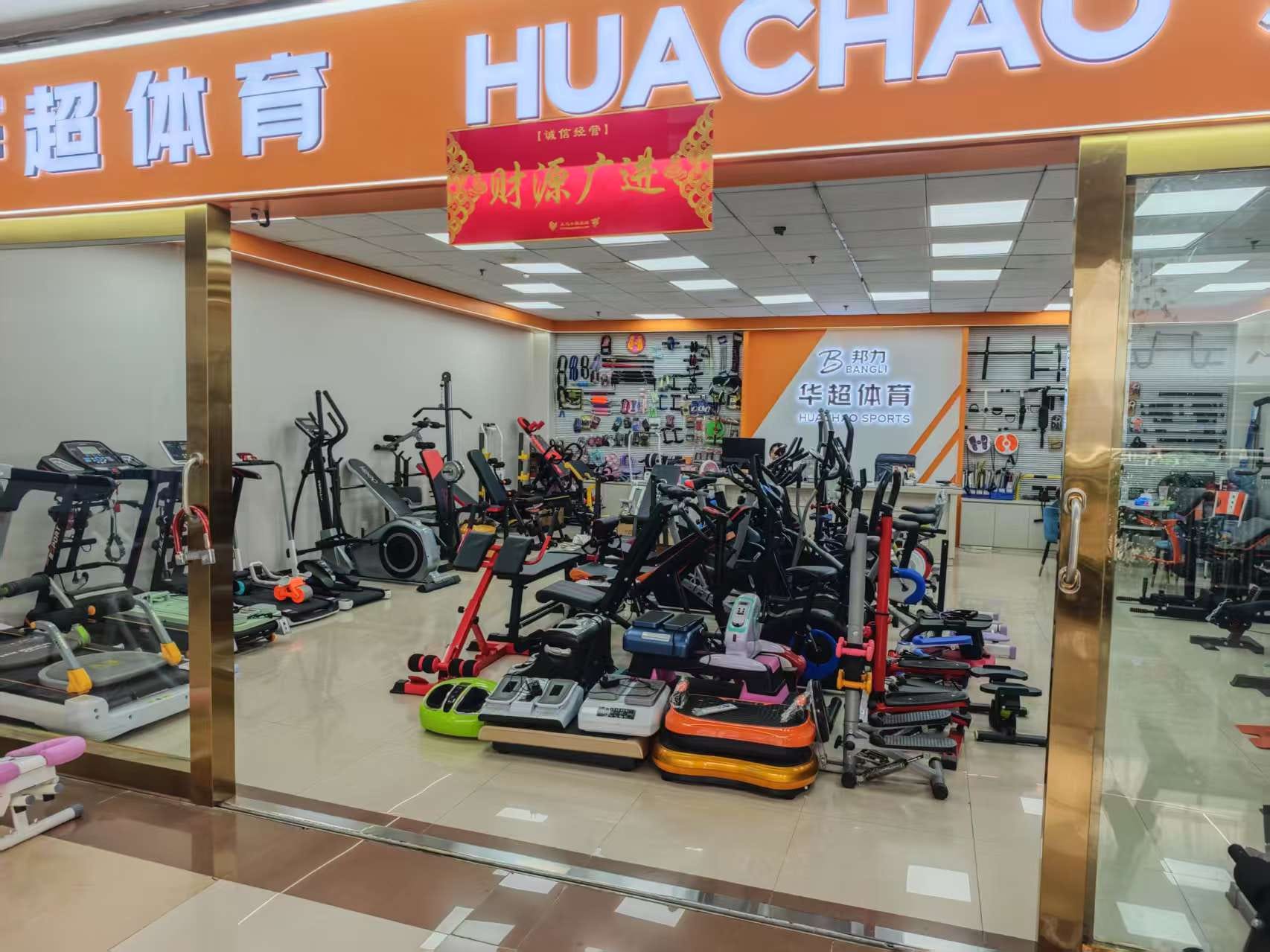
Treadmill for your home gym? You’d better believe YITC has it.
The usage of the word “city” is not an exaggeration. There are roughly 75,000 vendors present across the YITC, selling every small household good imaginable.
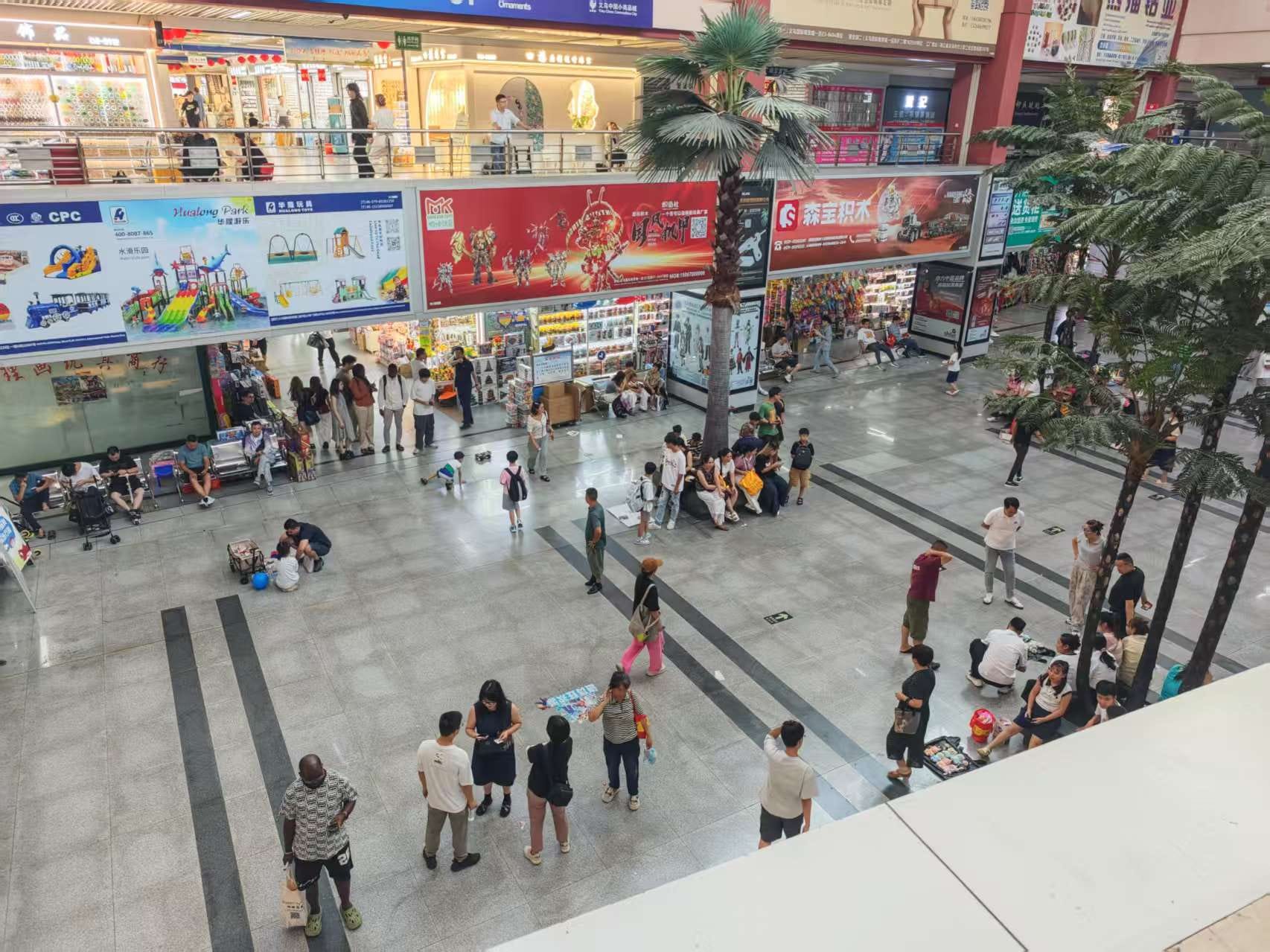
Most of them are wholesale only, which means they won’t sell you anything in-store (although some vendors offer retail sales too, and have signs saying so). Think of it more as a massive exhibition hall, representing tens of thousands of factories.
On a typical weekend at any point during the day there will be well over 100,000 people inside the YITC, including the shop vendors’ children, who run around shouting and treating the open areas of the mall as a huge playground.
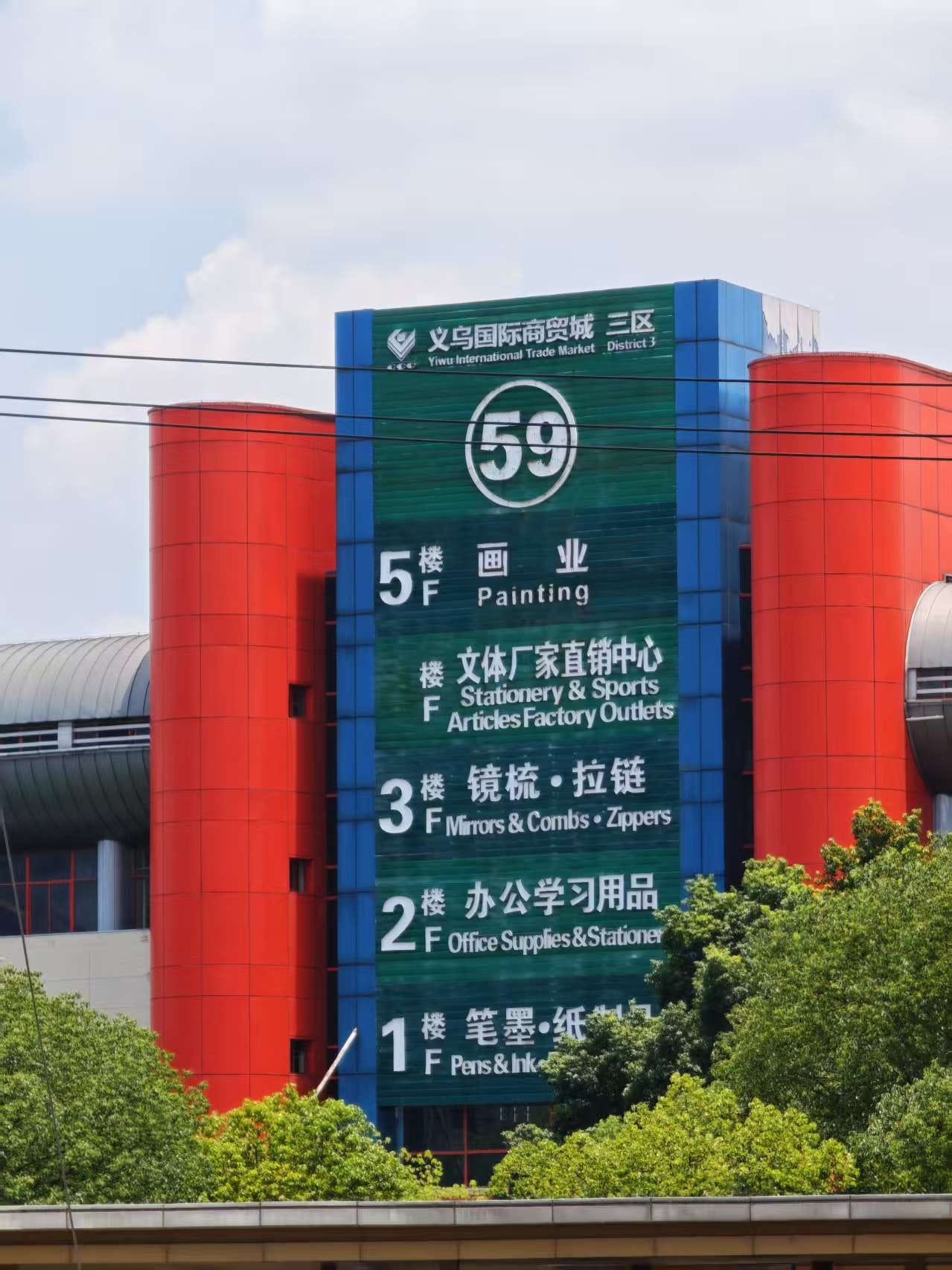
The districts are well-organized, with floor maps indicating what type of goods can be found in each area. For example, Floor 1 of District 3 has writing tools, paper products, and office supplies. Floor 3 of District of 2 has lights, batteries, and small electronics.
An entire section of District 4 is just zippers and buttons. Hundreds of shops, thousands of choices for zippers and buttons.
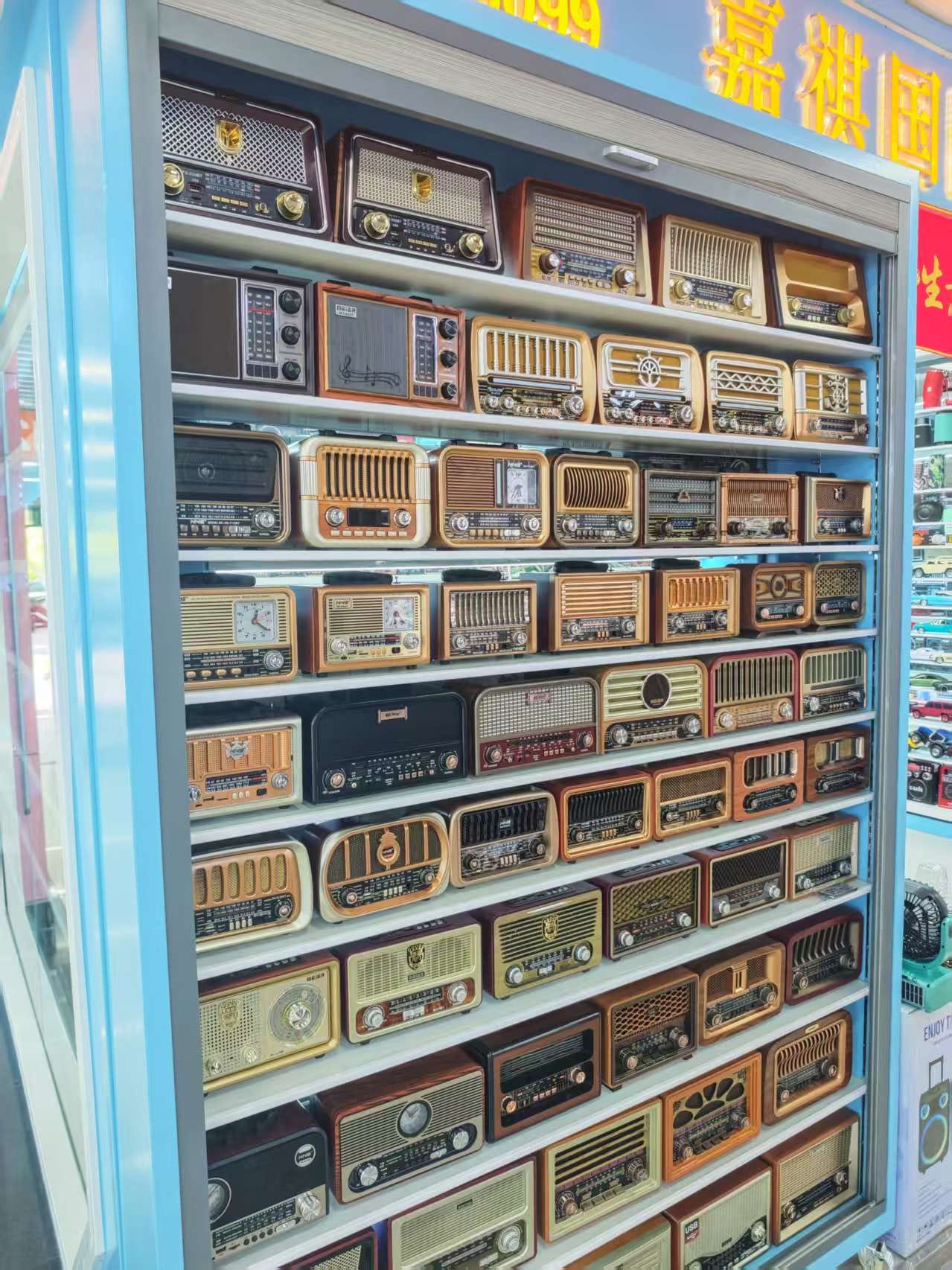
Of course, some categories are too specific to have their own section, so they get stuck together with other goods. Things like old-timey radios your grandfather would love, ugly knick-knack clocks your grandmother would love, or Confederate flag memorabilia that the weird classmate you haven't seen since high school would love (by the way, the vendors at the shop have no idea what the Confederate flag is, what it means, or even what country it’s from).
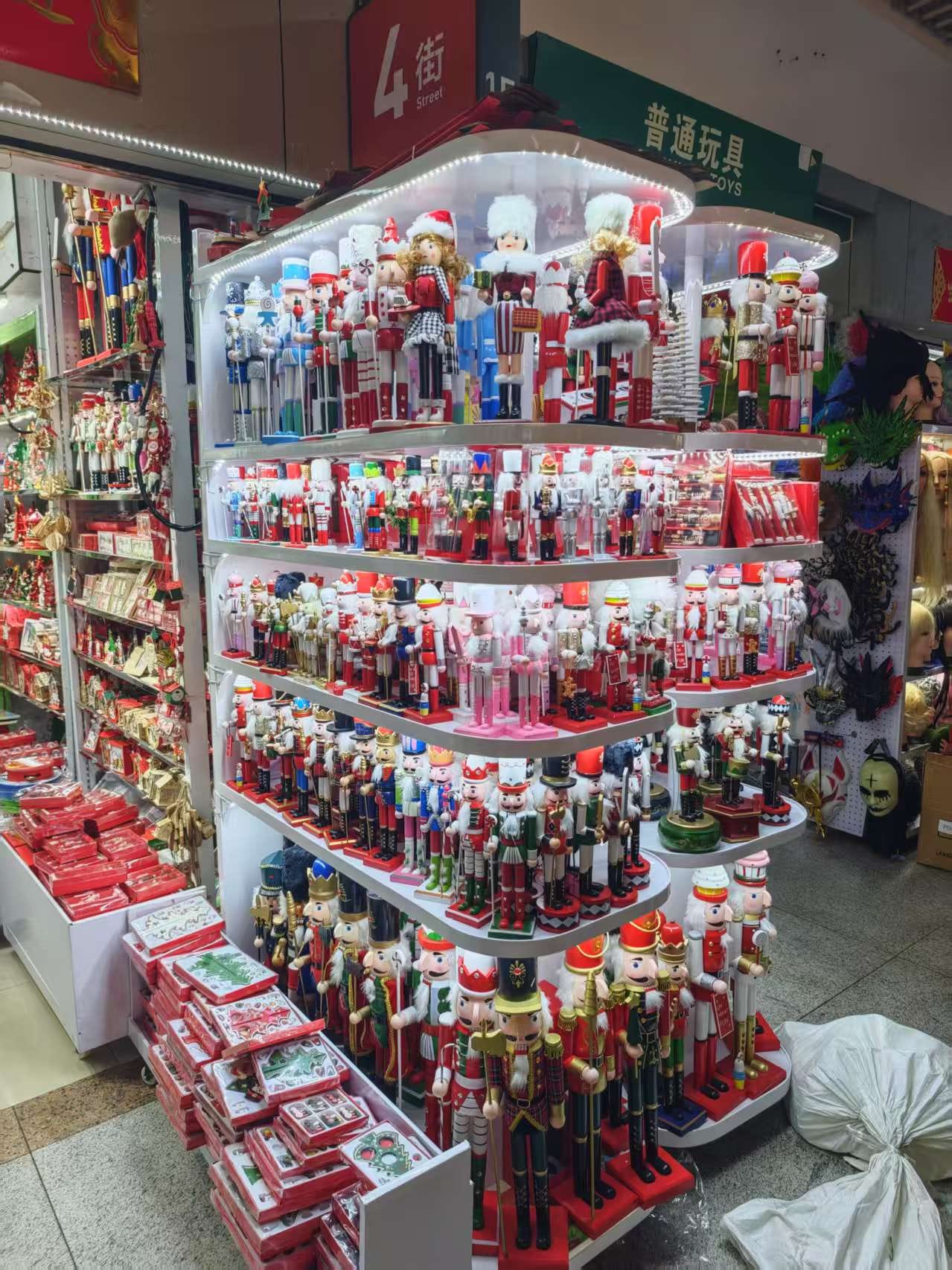
Somewhat famously, there's a large section in District 1 specializing in holiday and party supplies, with Christmas-, Halloween-, and birthday-themed sections. Here, it’s always Christmas, all year long.
My mother has collected these little wooden nutcrackers for years. I think she perhaps has enough to open her own wholesale business too.
Launching My Sourcing Side Hustle
You can wander for hours here, but your eyes will start to glaze over quickly and everything starts looking the same. To entertain myself, I decided to play at “sourcing” some Chinese goods, according to requests from my friends.
My friend Glenn at Read Write Invest told me his kids are into Rubik’s Cubes right now, with the Gan 356 model the most popular option for serious speed-cubers (people who compete to solve the cube as quickly as possible).
It’s going for 20 bucks on Amazon:
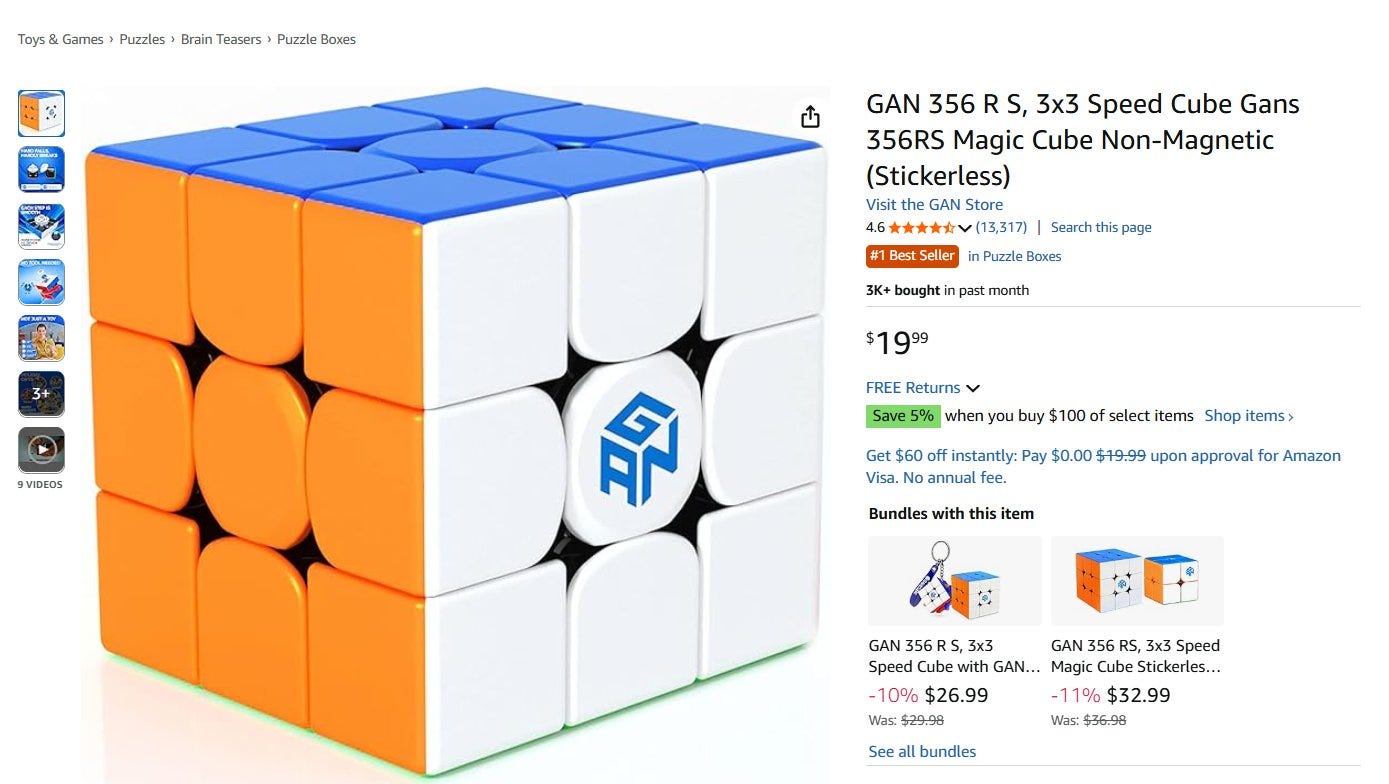
After a few minutes of searching the toys section of District 1, I found a vendor who carried this exact model. This is a “high-quality cube for people who like to play professionally”, the vendor told me. The price? 15 CNY each (about 2 USD), with a minimum order quantity of 30 pcs.
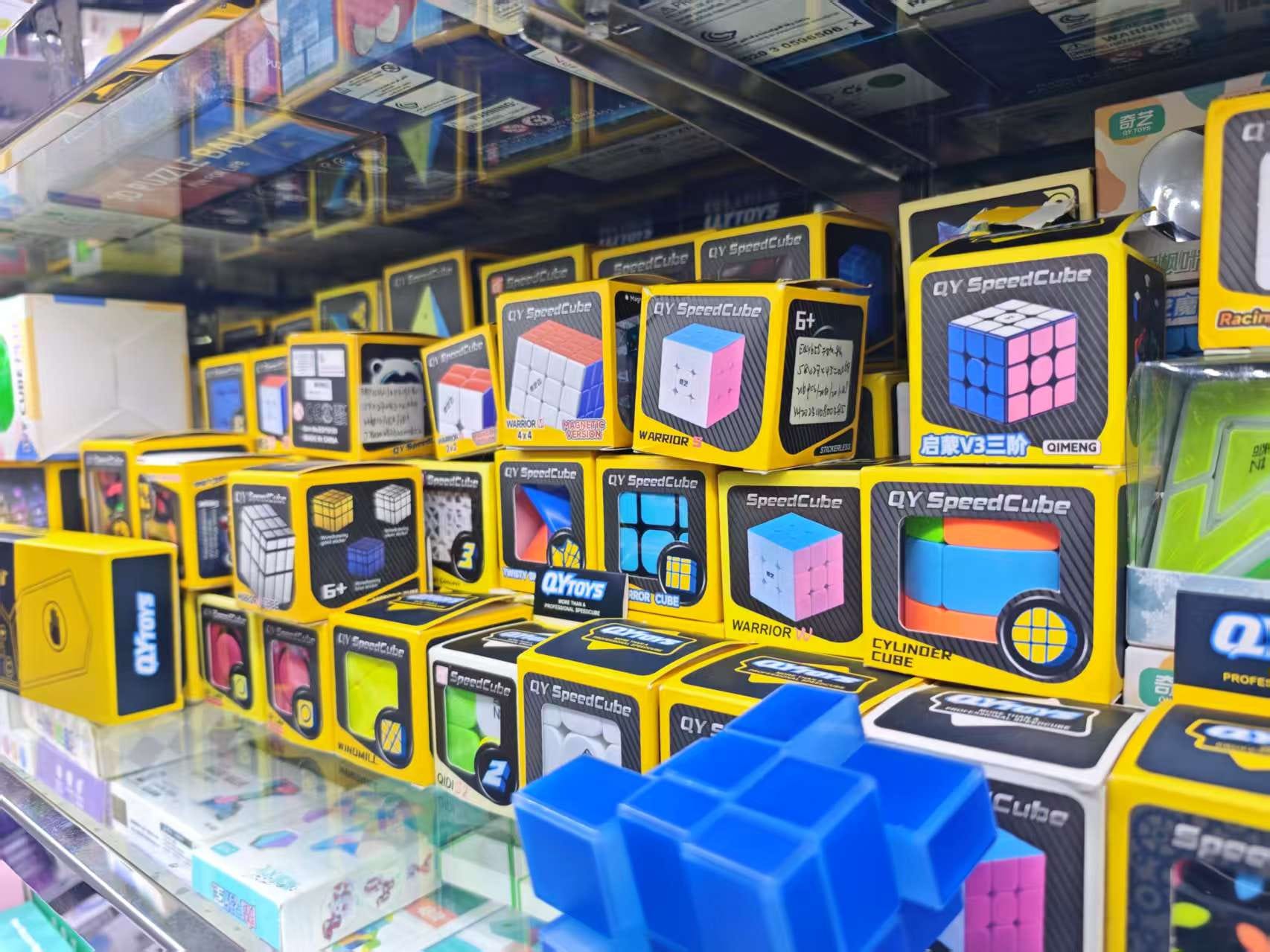
But if you don’t need a high-quality one for professional play, a cheapie unit will do you just fine, she told me. The unit price on the cheaper ones could go as low as just 3 CNY each (or 0.42 USD).
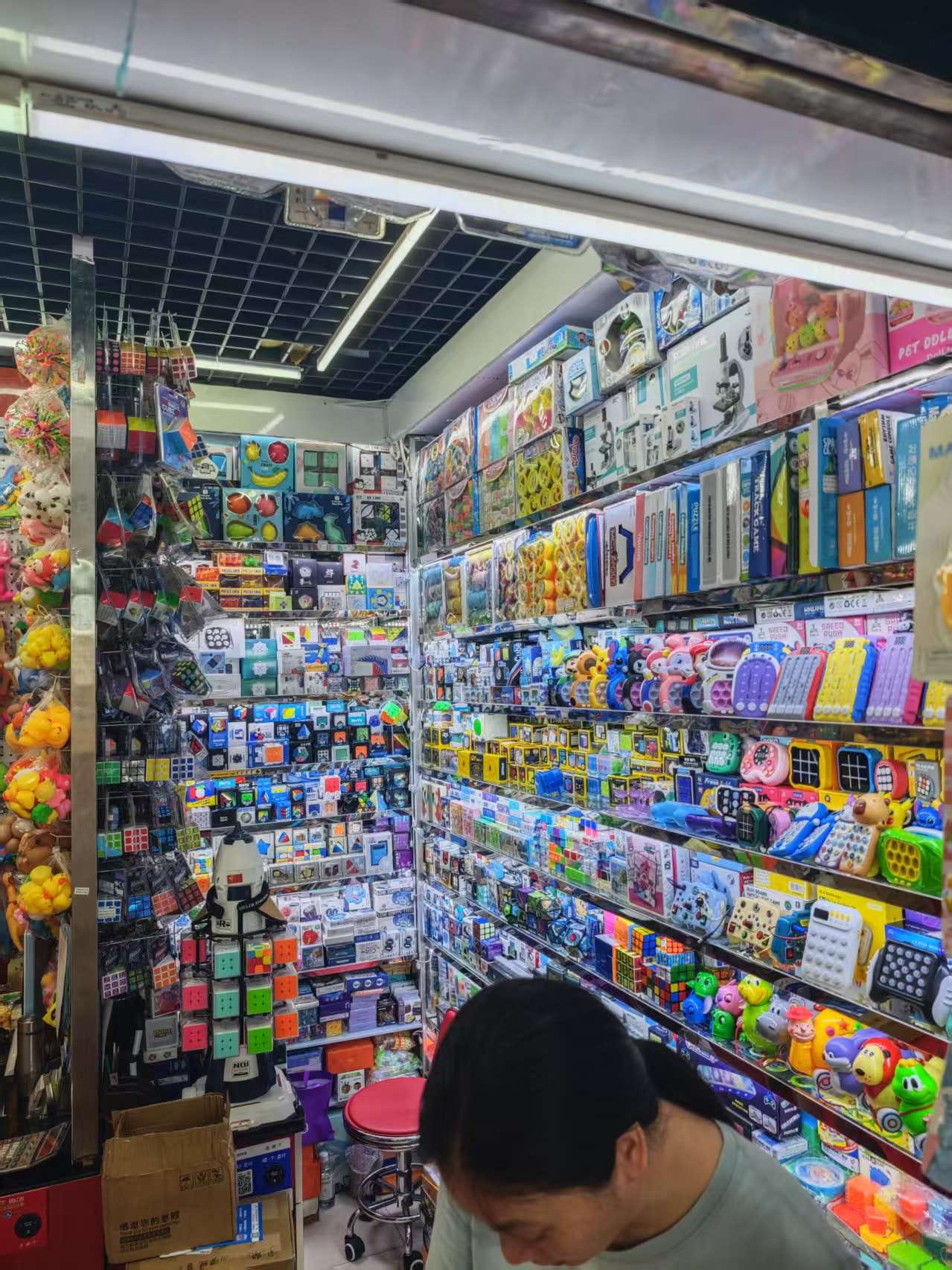
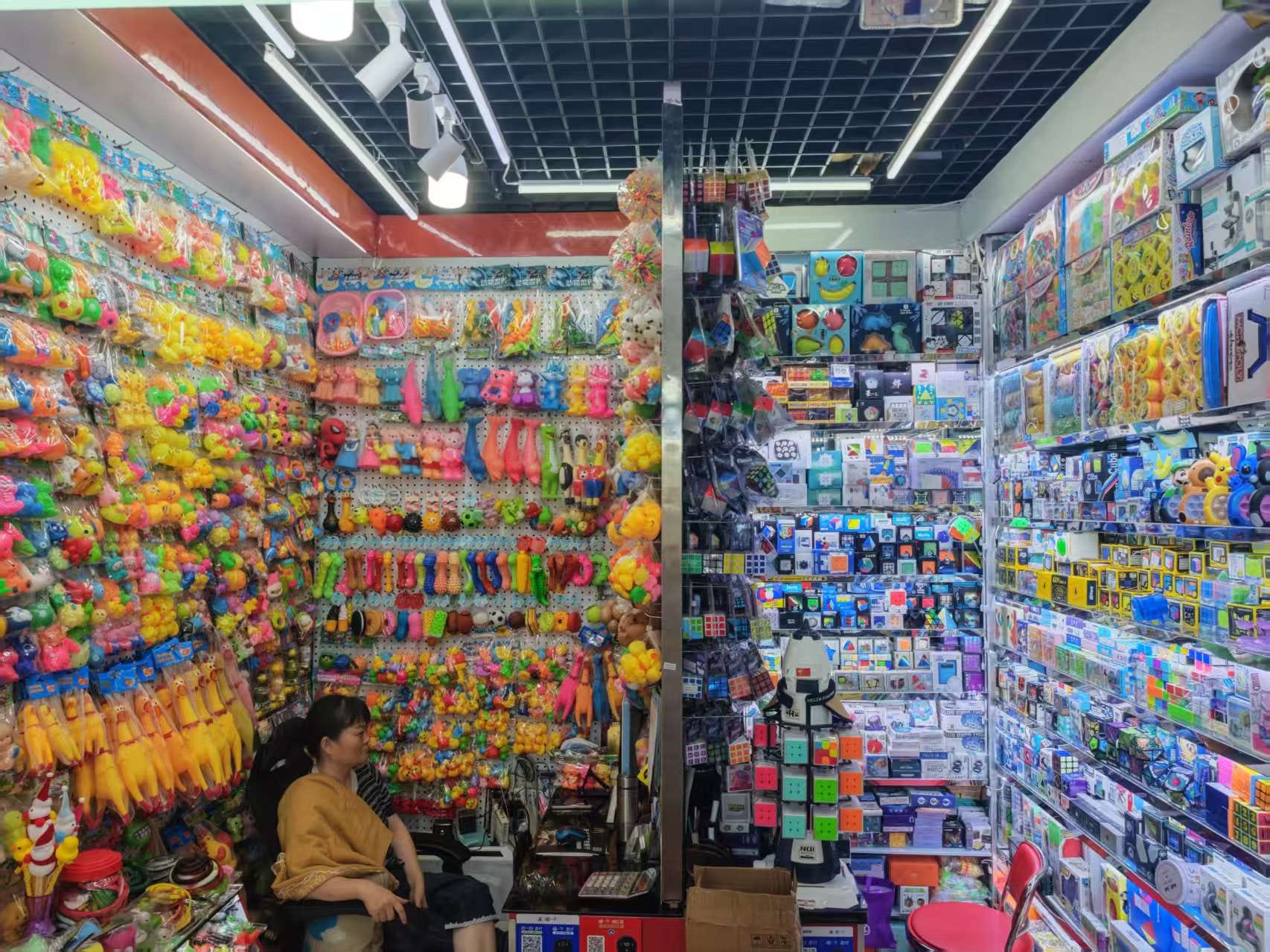
The vendor told me she’s been selling Rubik’s Cubes for 20 years, but a recent downturn in global demand for the classic toy has forced her to diversify into other educational toys. “I only want to sell toys with educational value, so I have started carrying some new products, all related to children’s learning. As long as it helps children develop their minds, then I can sell it. But the market for Rubik’s Cubes is shrinking.”
I suppose there are few people on earth more qualified to offhandedly summarize the historical ebbs and flows of Rubik’s Cube demand. Like many vendors in the YITC, she splits the stall with another vendor, to share the hefty rent of 180,000 CNY/year (around 25k USD).
Her stall-mate sells rubber chickens.
After finding the Rubik’s Cubes for Glenn, I continued on my volunteer product sourcing duties. Next, my friend Lei wanted to know about pet supplies - specifically cat nail clippers.
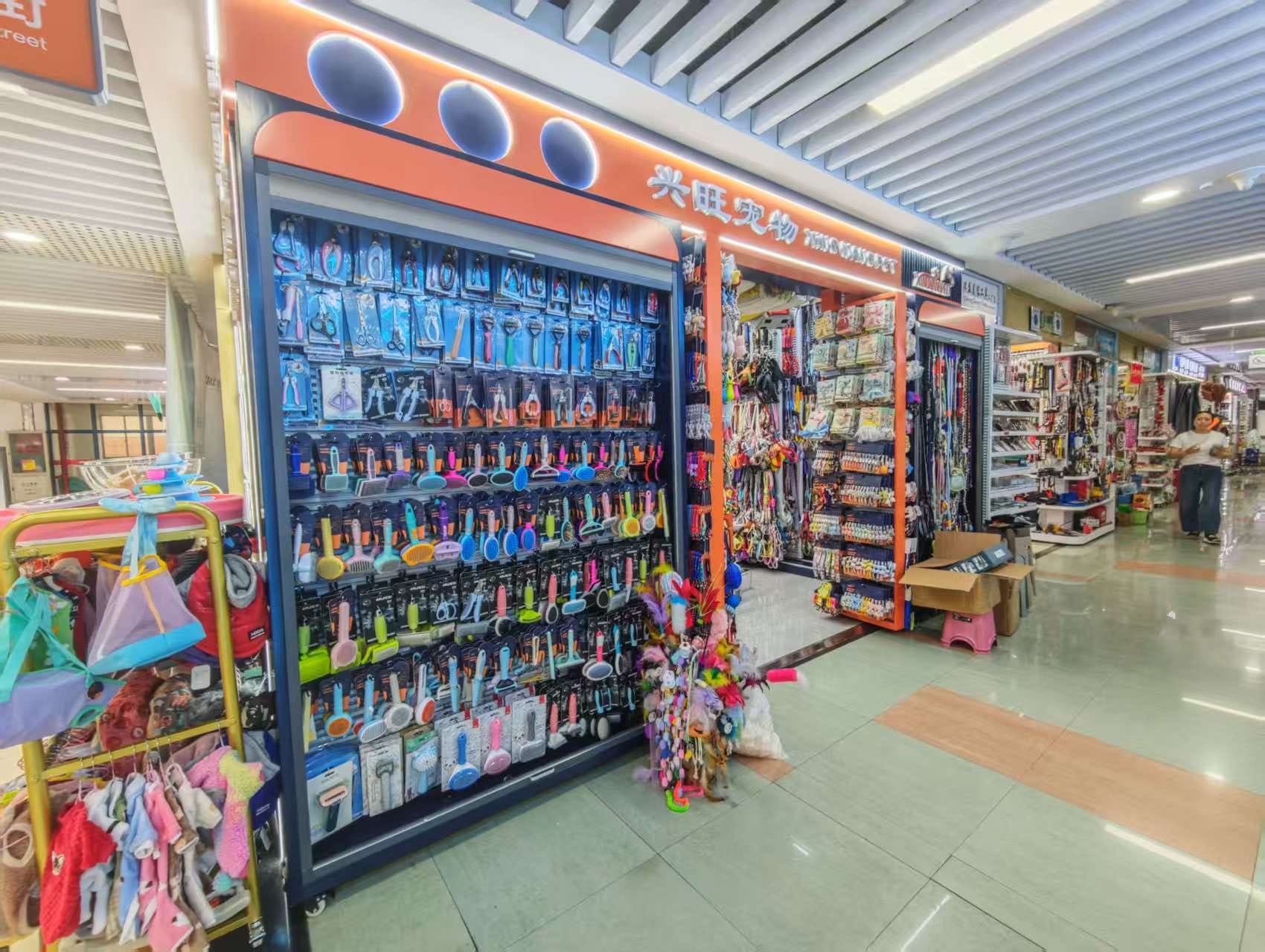
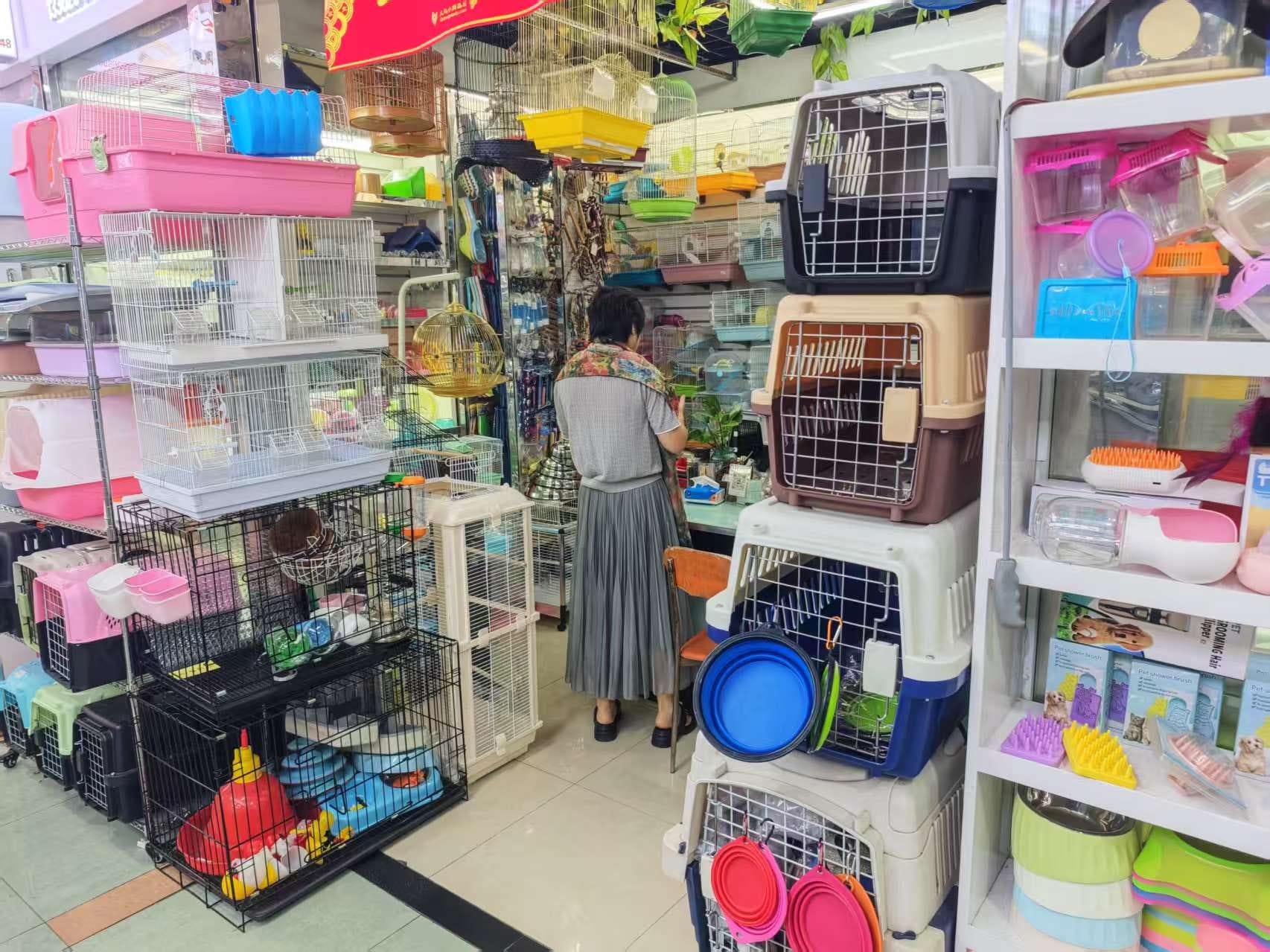
I used the convenient YiwuGo app to search what section of the market carried pet supplies. It pointed me to Floor 2 in District 2, where I quickly found stores carrying these products. I took the wide photo of the product display above and shared it back to my “client”.
Lei soon spotted a familiar item - these Gonicc branded nail clippers which he had recently picked up for 10 bucks on Amazon.
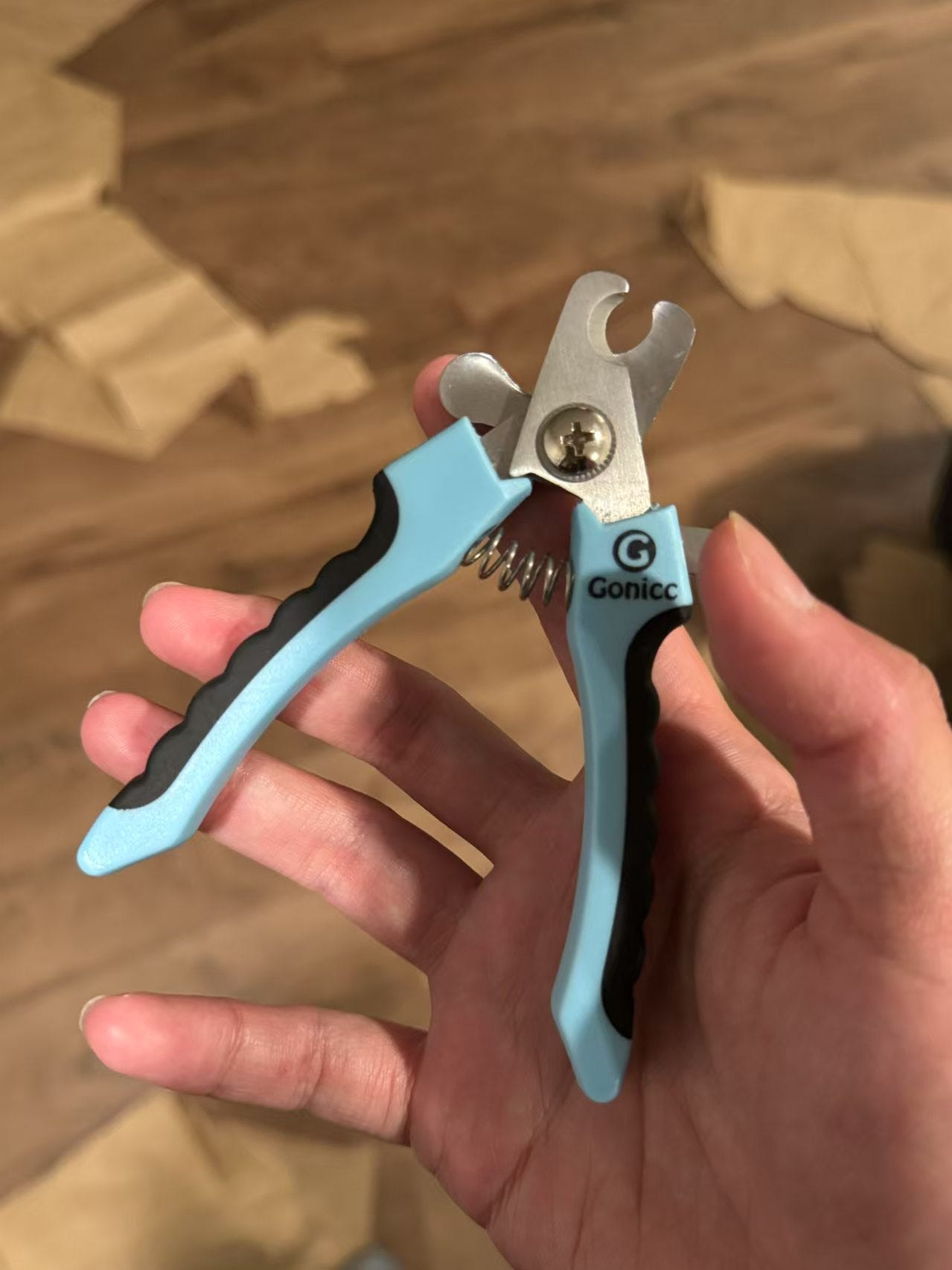
These exact clippers are at the top of the display in my picture above:
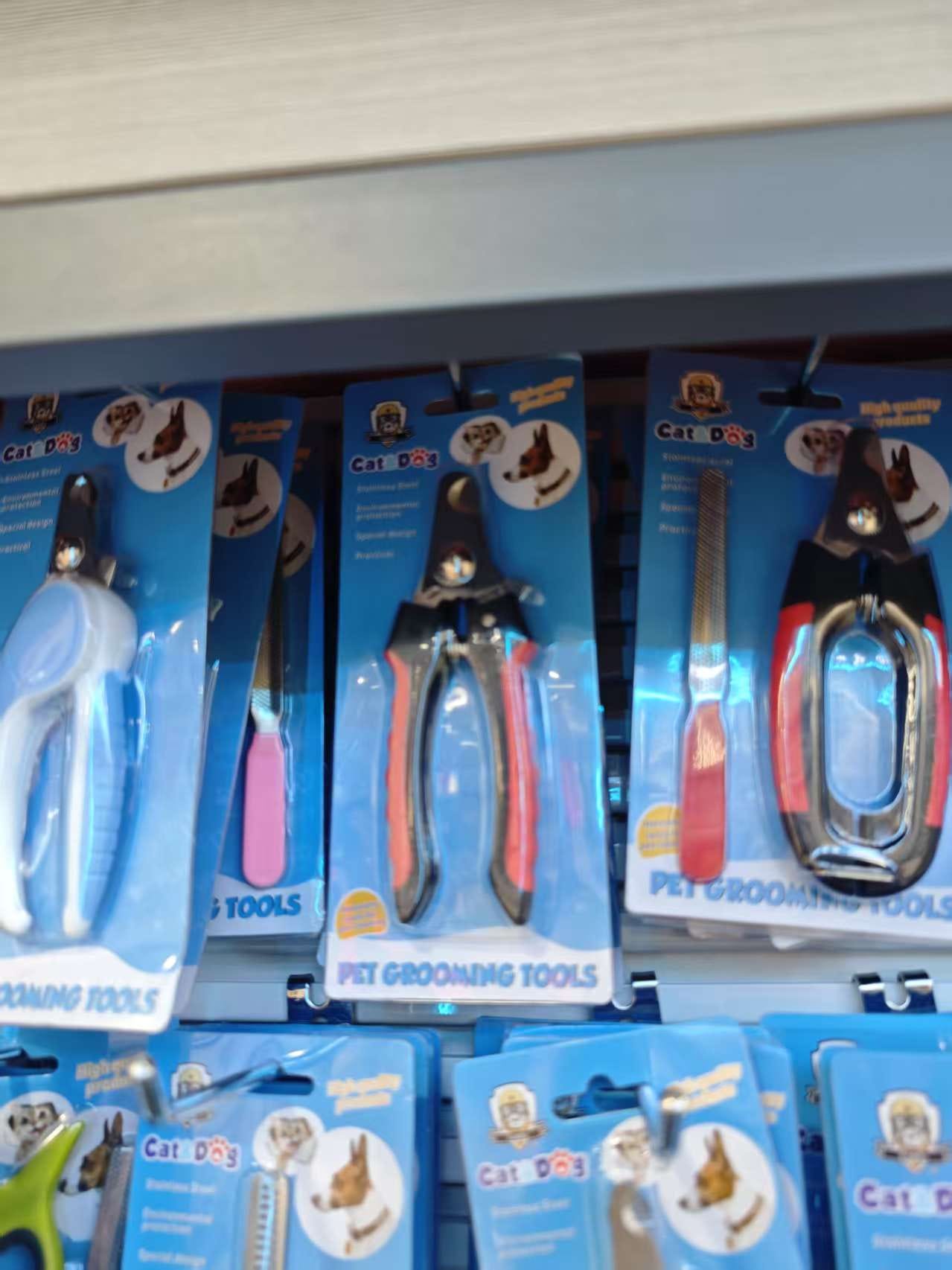
At this wholesale vendor, these clippers were selling for 3 CNY each (42 cents) with a minimum order quantity of one box (which holds 240 pieces).
The vendor told me that almost all the pet products hanging are produced in the same factory, even ones with different packaging, or showing different brand-names. “We make all of these…the branding and colors can change…this is just to show you options. We can use any packaging material you like and put your own brand on it.”
New Energy Products
After this, I found an area I was keen to source products for myself: the New Energy Products Market, built just a few years ago.
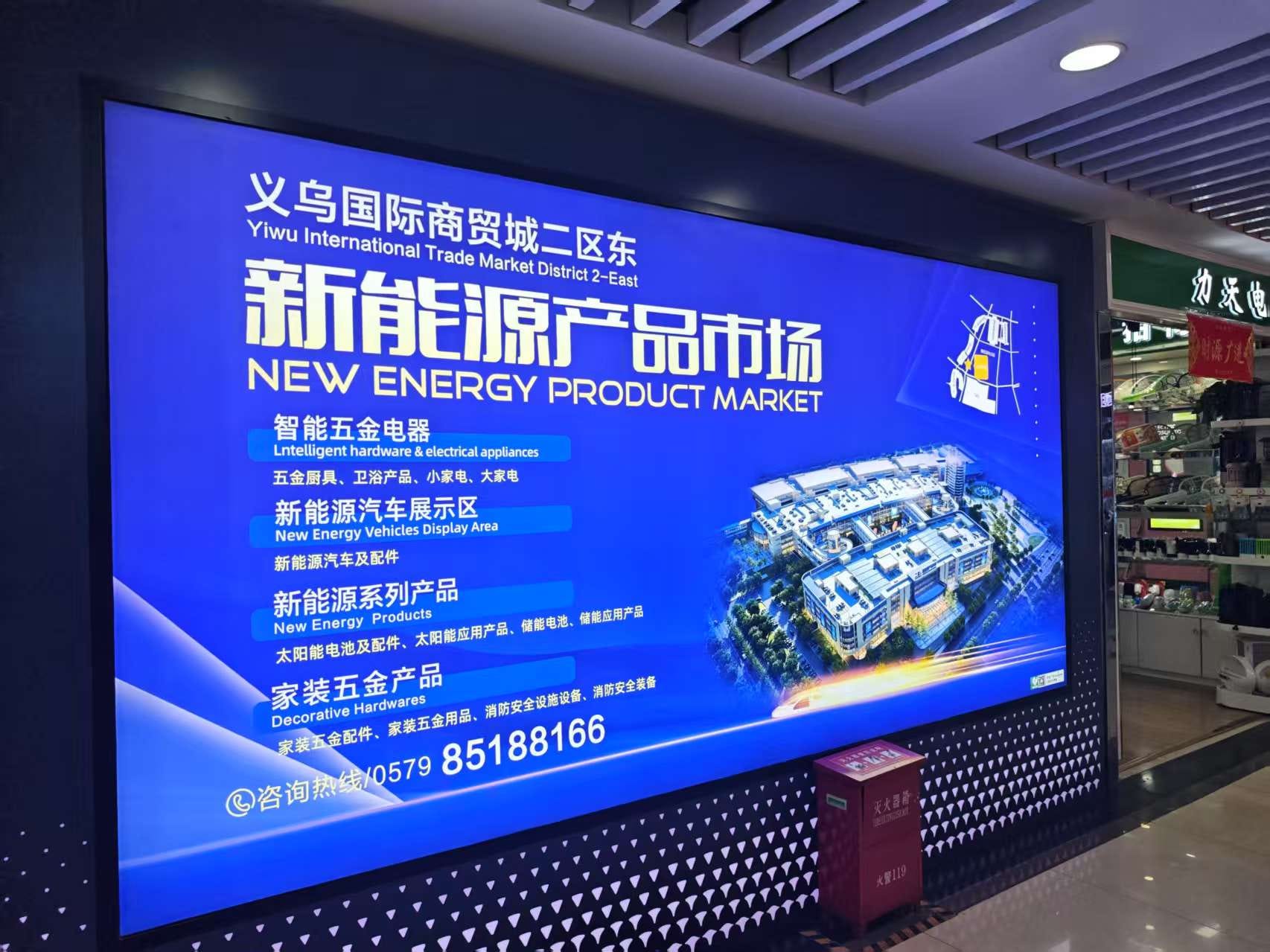
The products in the New Energy Products Hall are basically a giant celebration of the huge array of things you can stick solar panels onto, once they become as cheap as dirt, like they are in China.
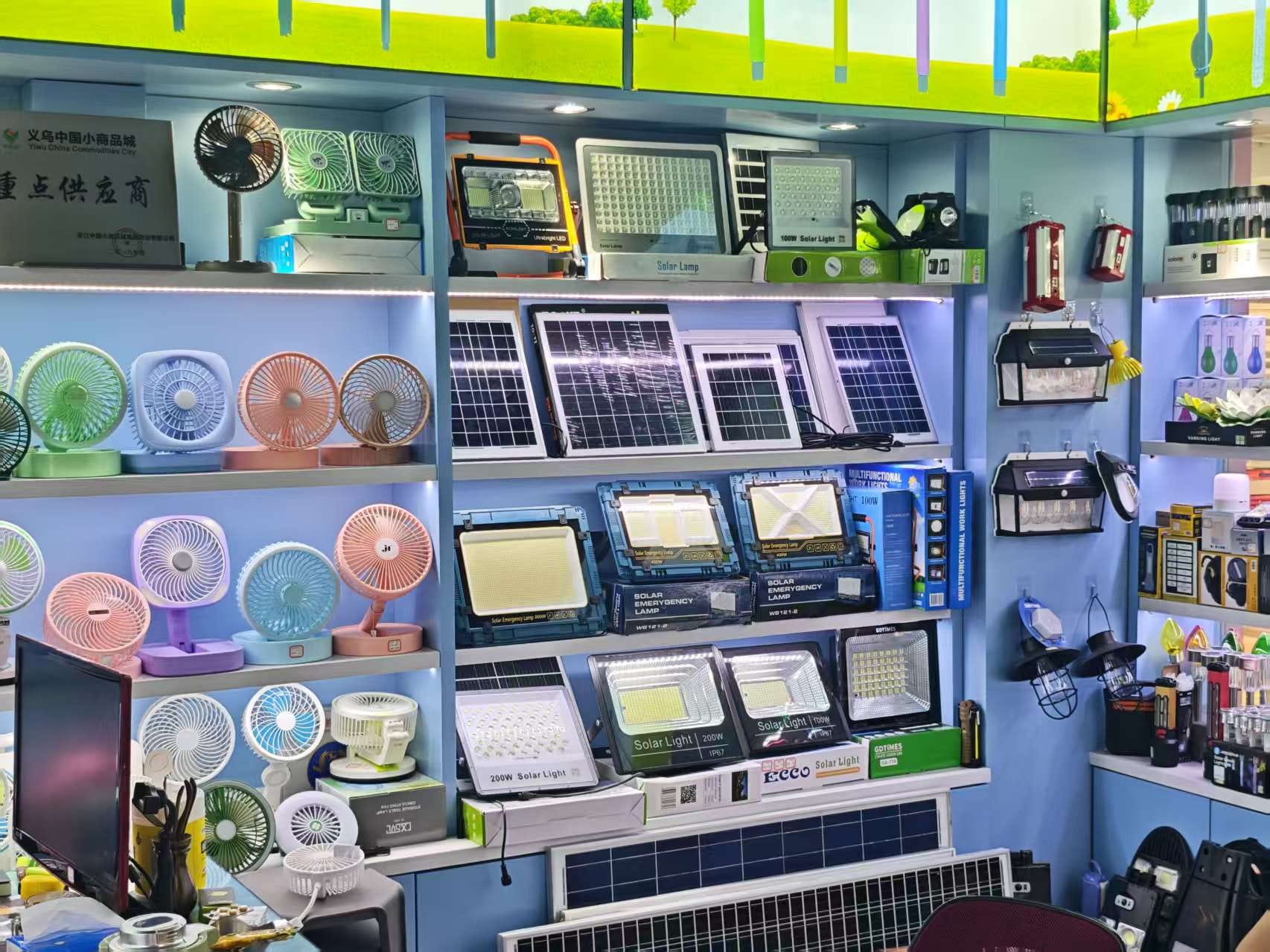
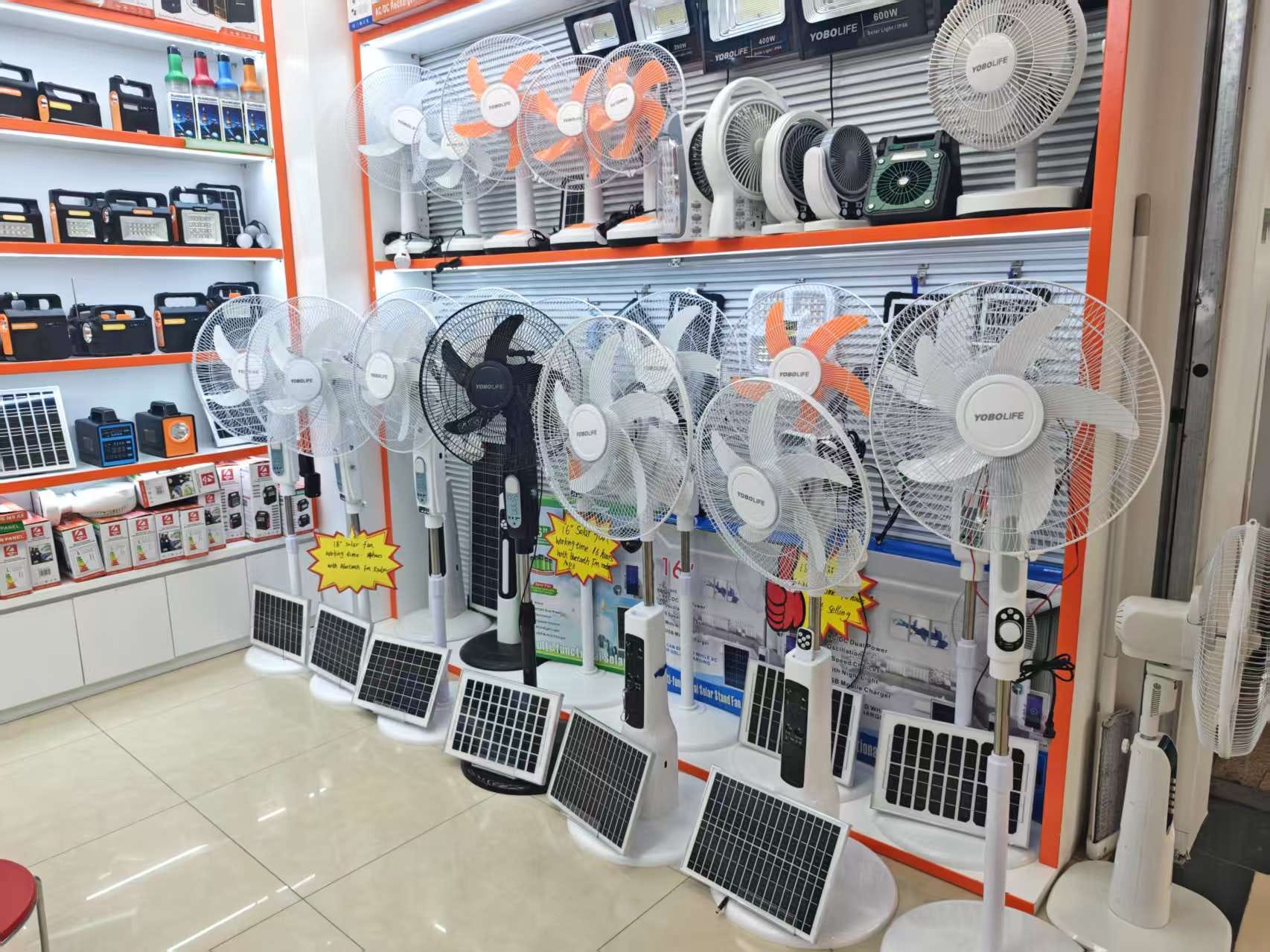
I found solar-powered fans with built-in batteries for 100 CNY (14 USD) per unit . "On a full charge, these fans operate for 16 hours" the vendor told me hopefully. "The minimum order quantity is just 10 pieces".
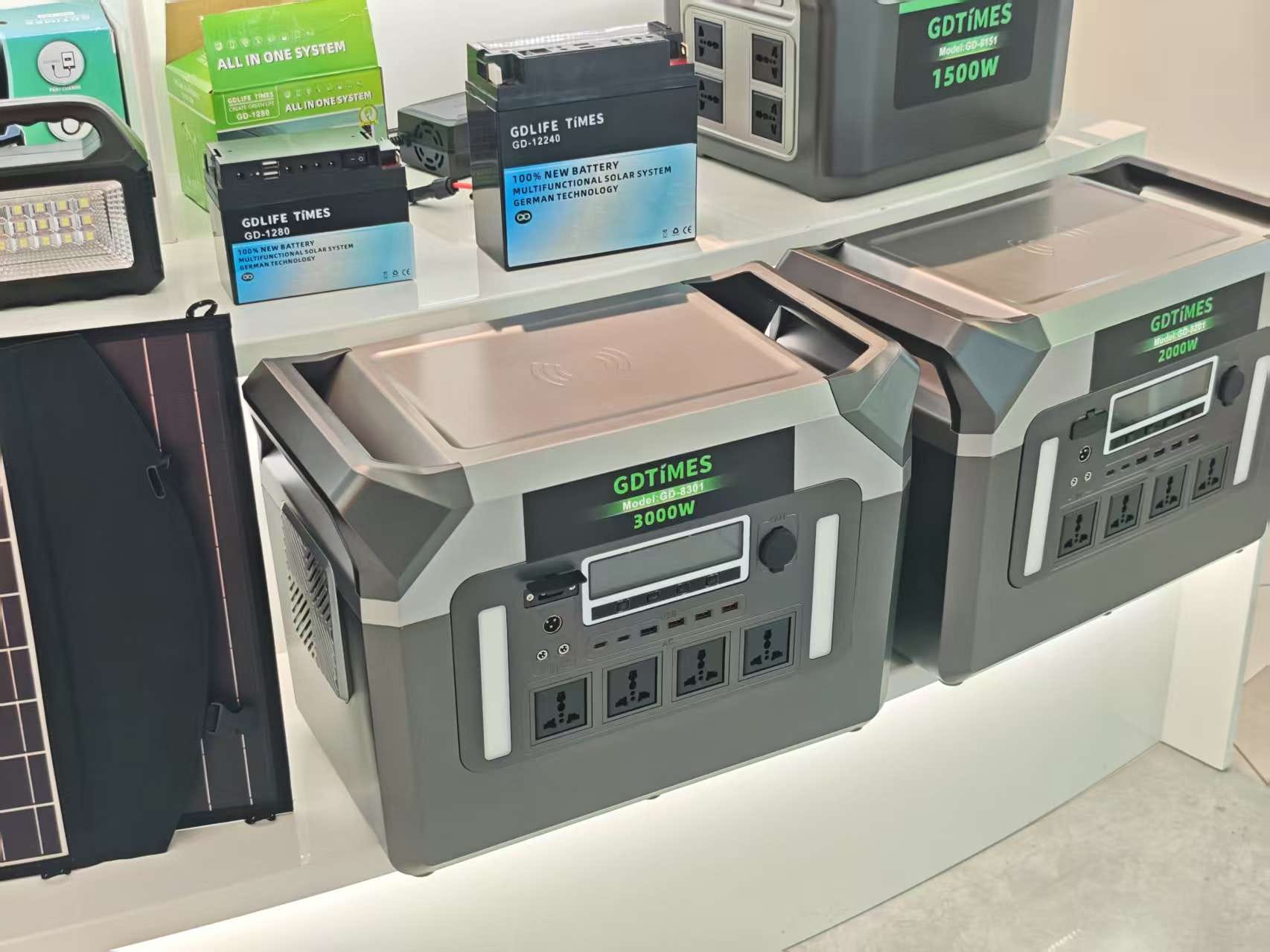
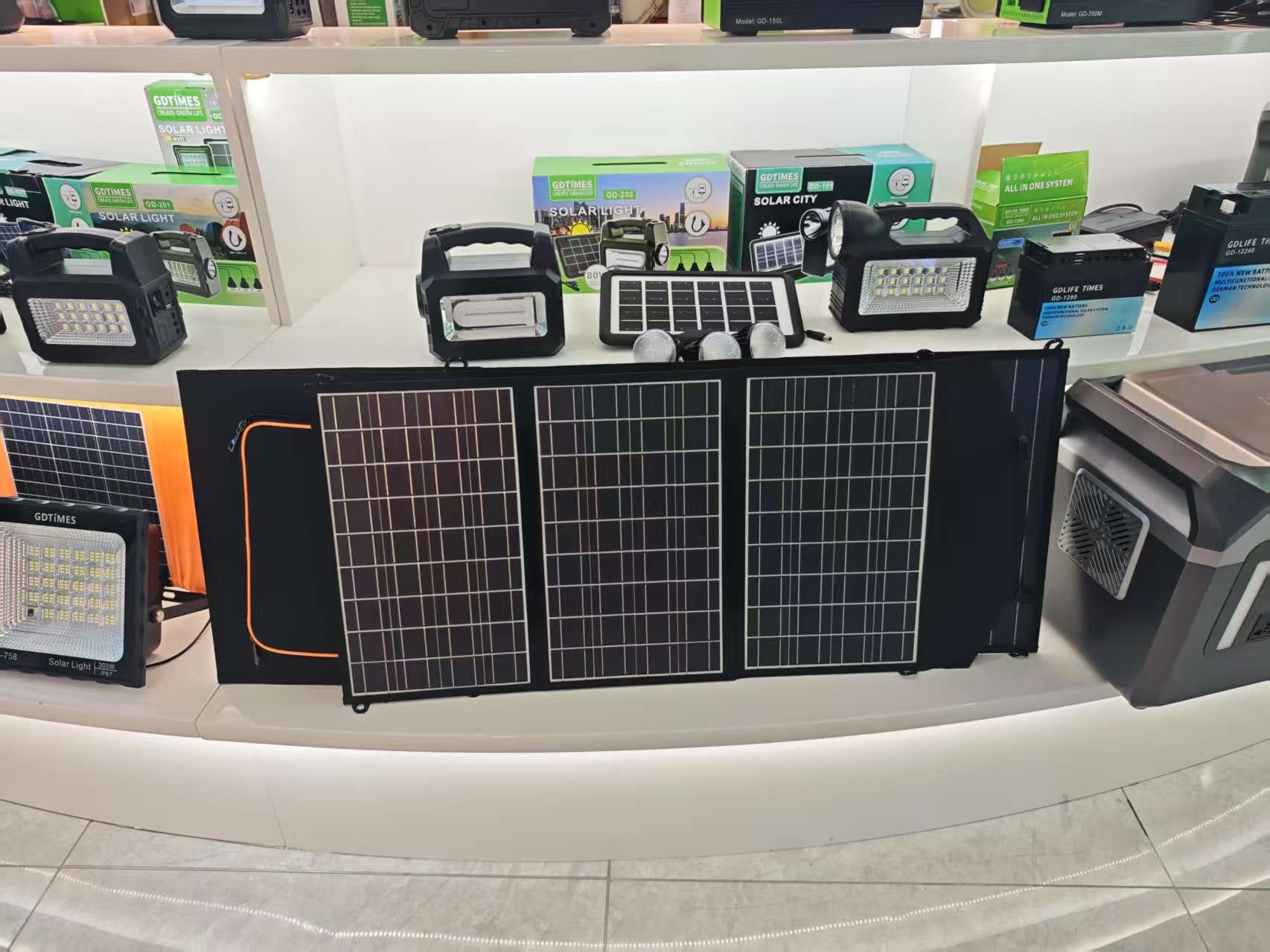
Another vendor had foldable off-grid solar kits (180 CNY, MOQ 20 pcs) along with inverter-battery combo units offering capacities between 500-4000 watts, for 2-4 hours.
The 500-watt batteries cost 750 CNY; the 4000-watt batteries went for 4000 CNY.
“I guess these are for…camping?” I asked the vendor.
“You can use them for camping” she replied. “But most of my customers are from underdeveloped parts of Africa. They use them in places that don’t have power yet, or where the power supply is not stable.” Yep, you’d best believe I was embarrassed.
The type of international buyers throughout the YITC ranged from Middle Eastern, to African, to Central Asian, but in the New Energy Products Hall especially, they were mostly sub-Saharan African. Small groups of buyers with backpacks in small groups roamed the halls with notebooks and I typically heard a mixed patois of French, Arabic and English as I passed them.
At first, I thought they were carrying backpacks to help carry sample products. But later in the afternoon, I realized the backpacks’ true purpose when one of the daily prayer times arrived. In synchronicity, groups of foreign traders migrated to the central plaza areas of the mall, carefully picked the direction of west, pulled out mats from their backpacks, removed their shoes, and began to pray.
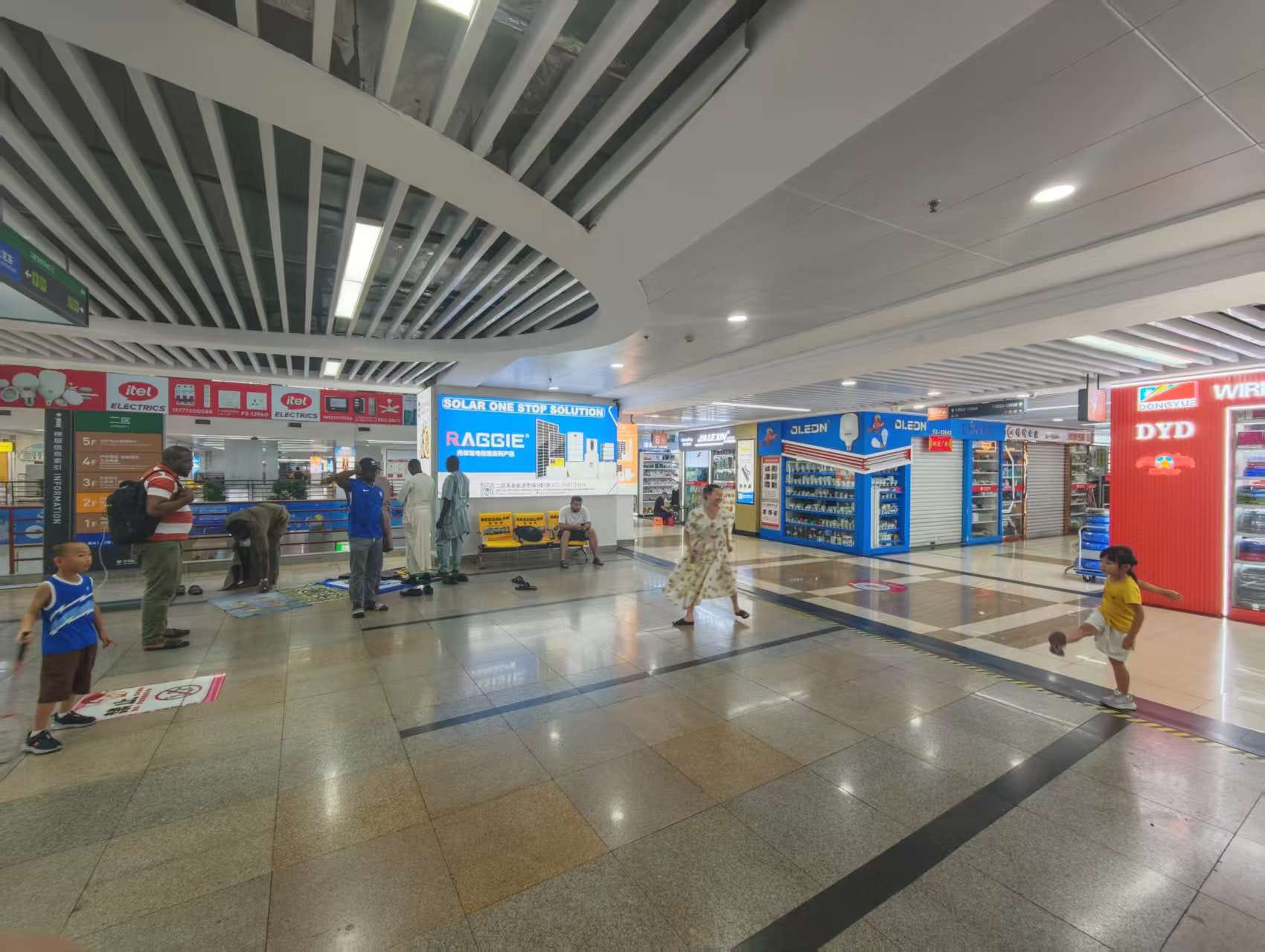
Besides the solar products, I also noticed a lot of African traders procuring basic electrical equipment, including things like cables, wires, switches, and outlets. If you’re working on off-grid power solutions, I guess it’s quite convenient to have a one-stop shop to procure all these other things too.
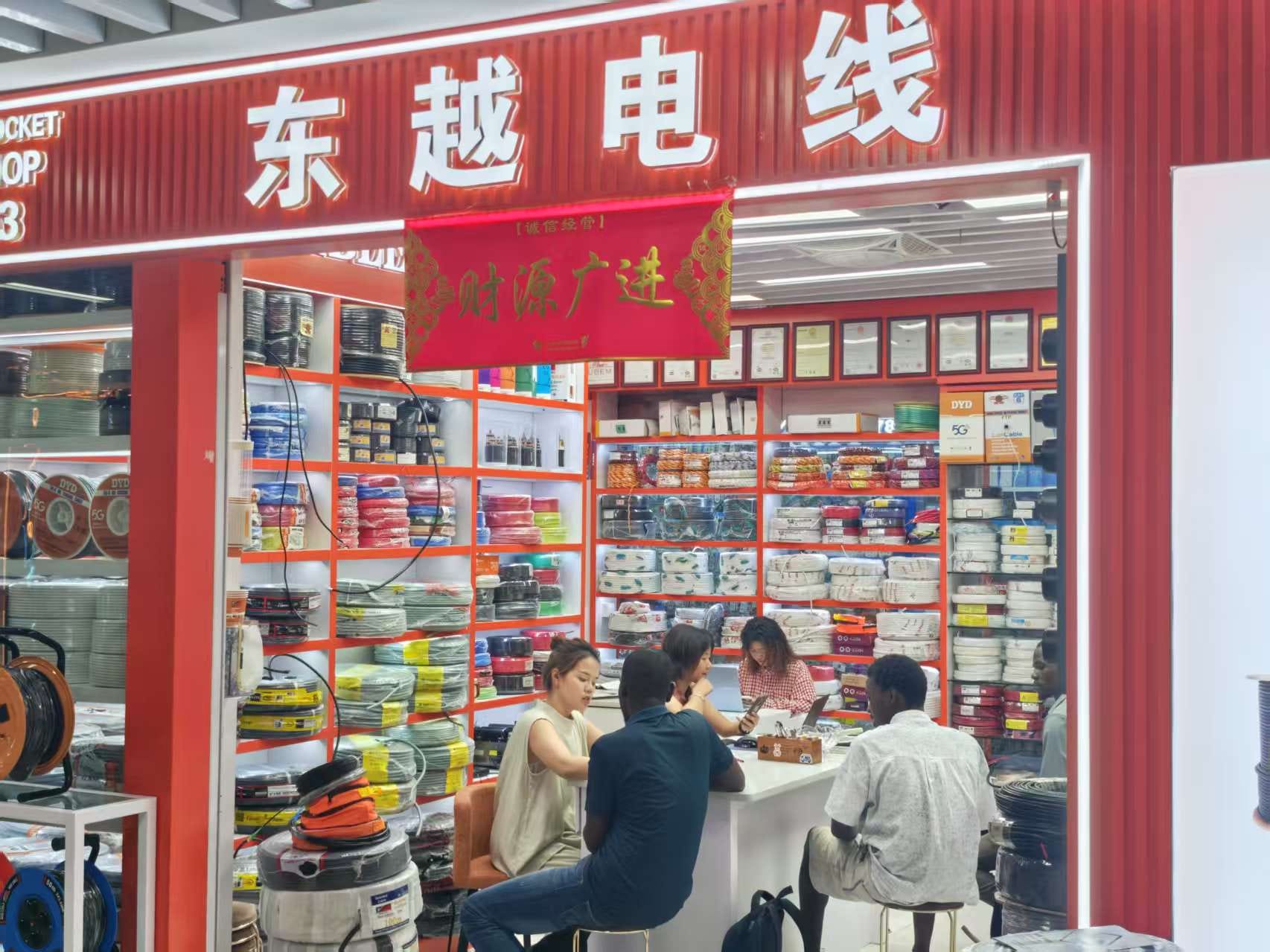
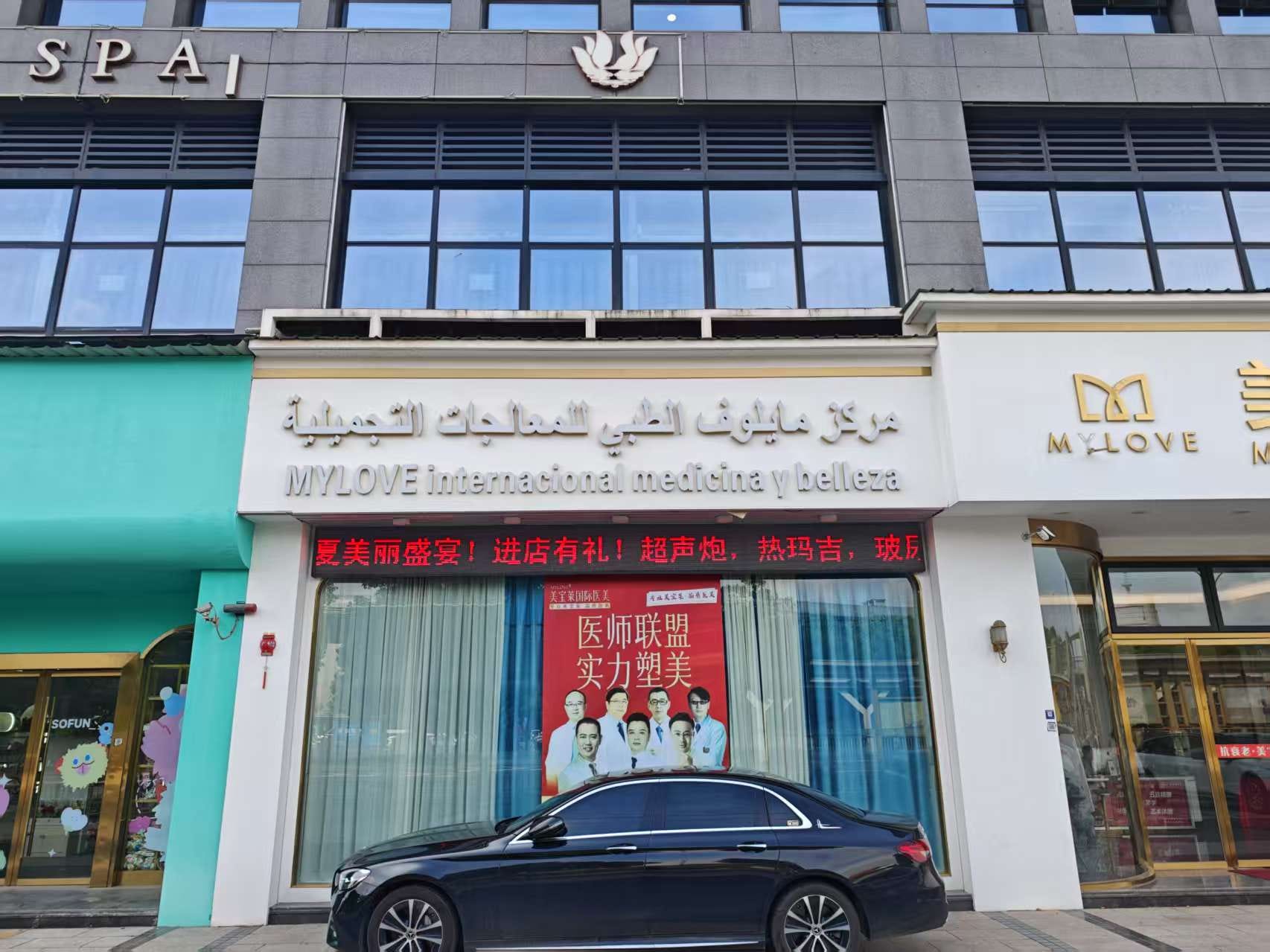
Outside on the street of Yiwu, many shop signs are in Arabic and English. The same is true for signs in the YITC. Some vendors have a gimmick where they stand outside their shop and shoot their sales shot by trying to guess where the passers-by are from and greet them in the correct language.
For me, they guess Turkish, then Arabic, then English, in that order. Not an unreasonable series of guesses, I suppose, depending on how recently it’s been since I’ve shaved my face.
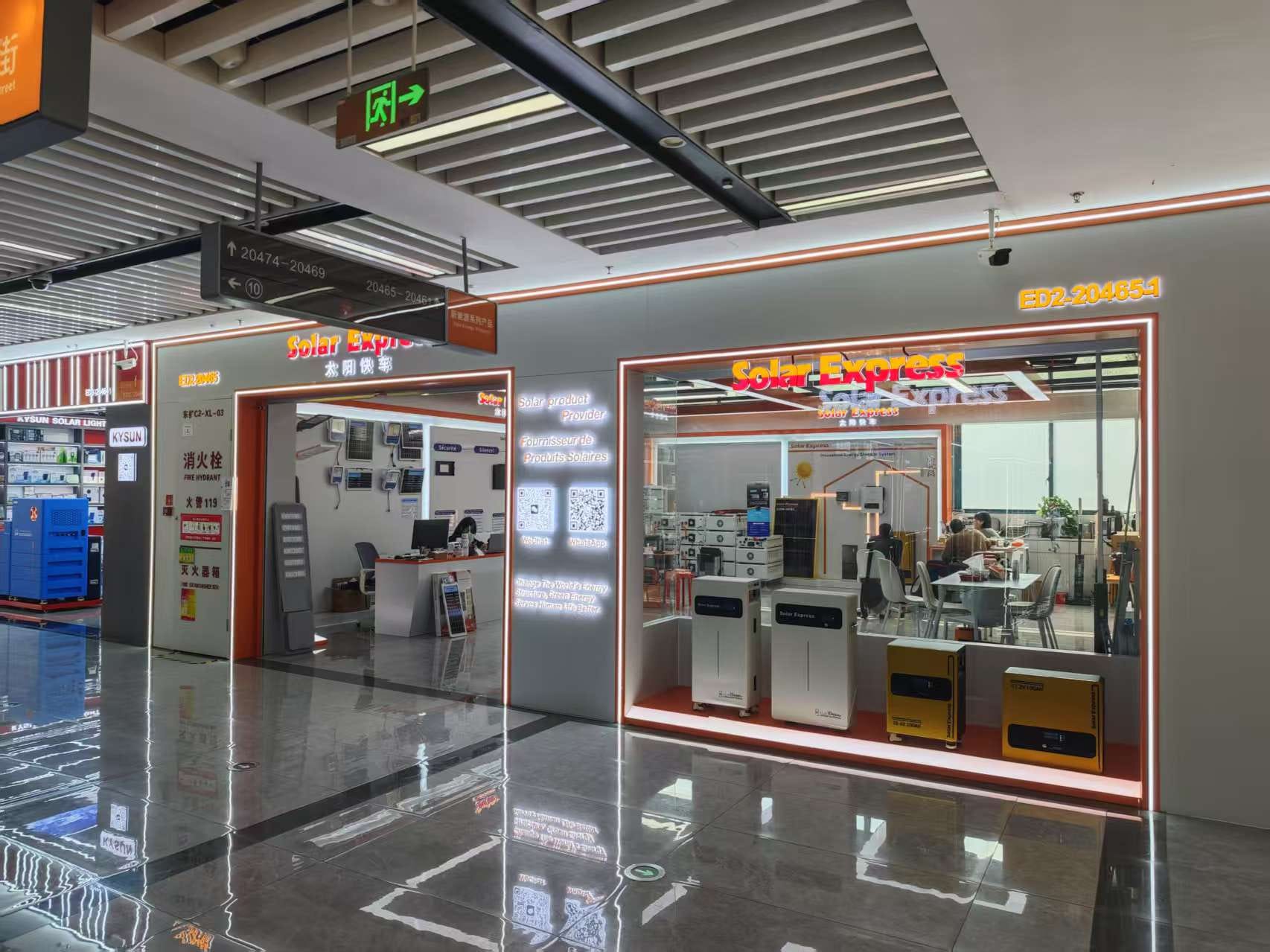
Some of the shops in the YITC are even owned by foreigners. I stopped by one selling off-grid solar solutions managed by an Armenian man. His business partner was from West Africa. He told me it’s his third business in Yiwu, after he got a start in cosmetics and perfume. Their customers are mostly from Central and West Asia, as well as Africa.
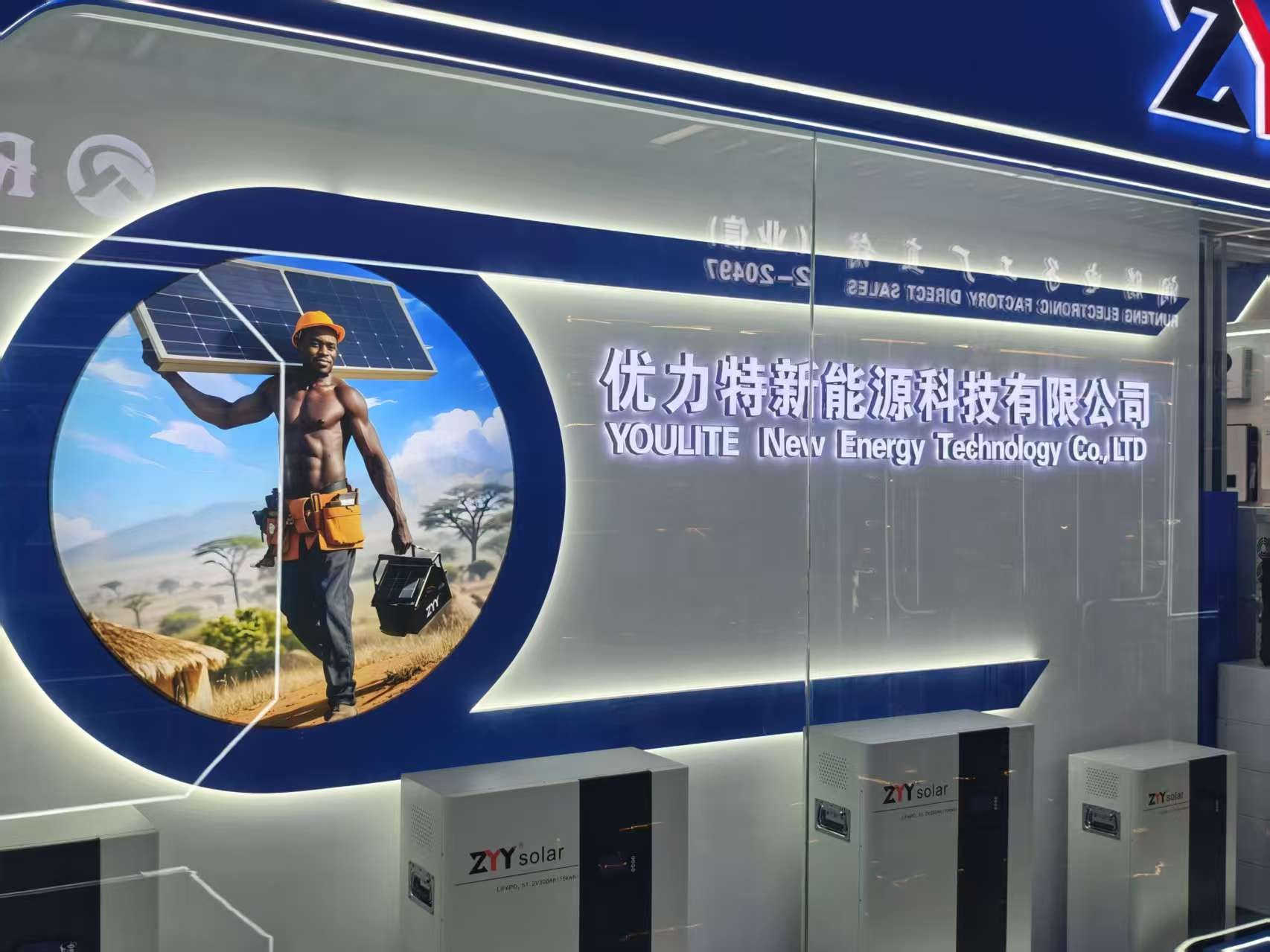
The shop next door in the New Energy Products hall knew exactly who their target customers were, and was promoting their very specific message to that very specific audience.
Buy our solar and battery products, and you too can be the hero who brings power to your dusty savannah village. Six-pack abs not included.
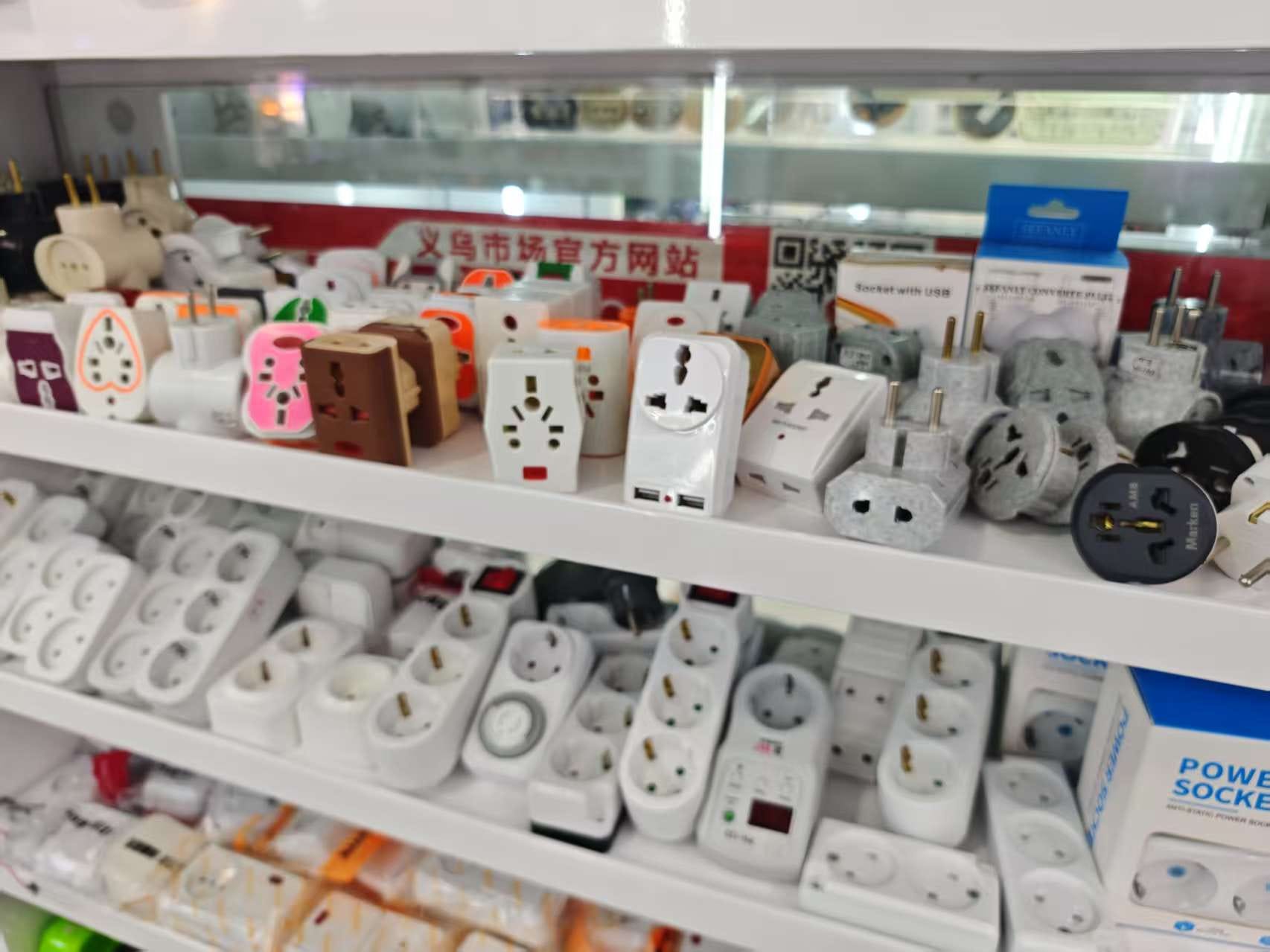
On a recent work trip to HK, I forgot to bring my power adapter and my hotel didn’t have one to borrow. I ended up having to buy one from a vending machine in the nearby mall for (an exorbitant) 200 HKD. If only I had been in Yiwu. Here, I could have bought 20 of them for the same price (they wholesale for about 8 CNY each).
Yiwu the City
The YITC vendors are pretty much all private enterprises, as there’s very little participation from SOEs in the light manufacturing segment these days. These were all the first sectors to privatize back in the 1980s.
There is at least one notable state player here though: Yiwu City itself. The YITC was built, operated, and maintained by Yiwu City Investment Group 义乌城投, or “Cito”.
They also operate the bilingual YiwuGo app, which provides interactive maps for the YITC, as well as a product search directory.
I noticed Yiwu City Investment Group has their fingers in many pies across the city, from rideshare bikes and gas stations to tourist sites and road infrastructure - a classic Chinese municipal LGFV. Their skyscraper headquarters dominates the Yiwu skyline.
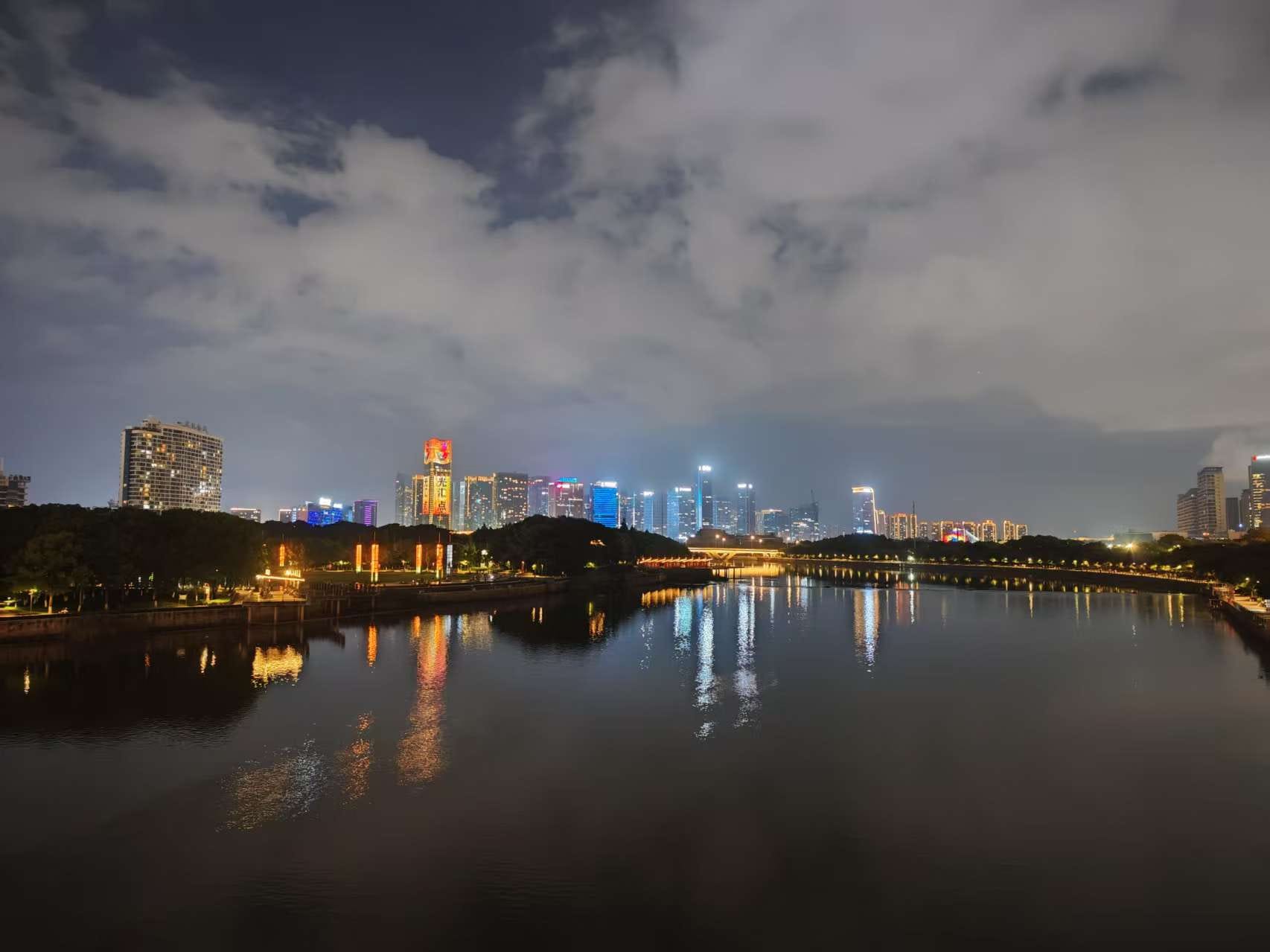
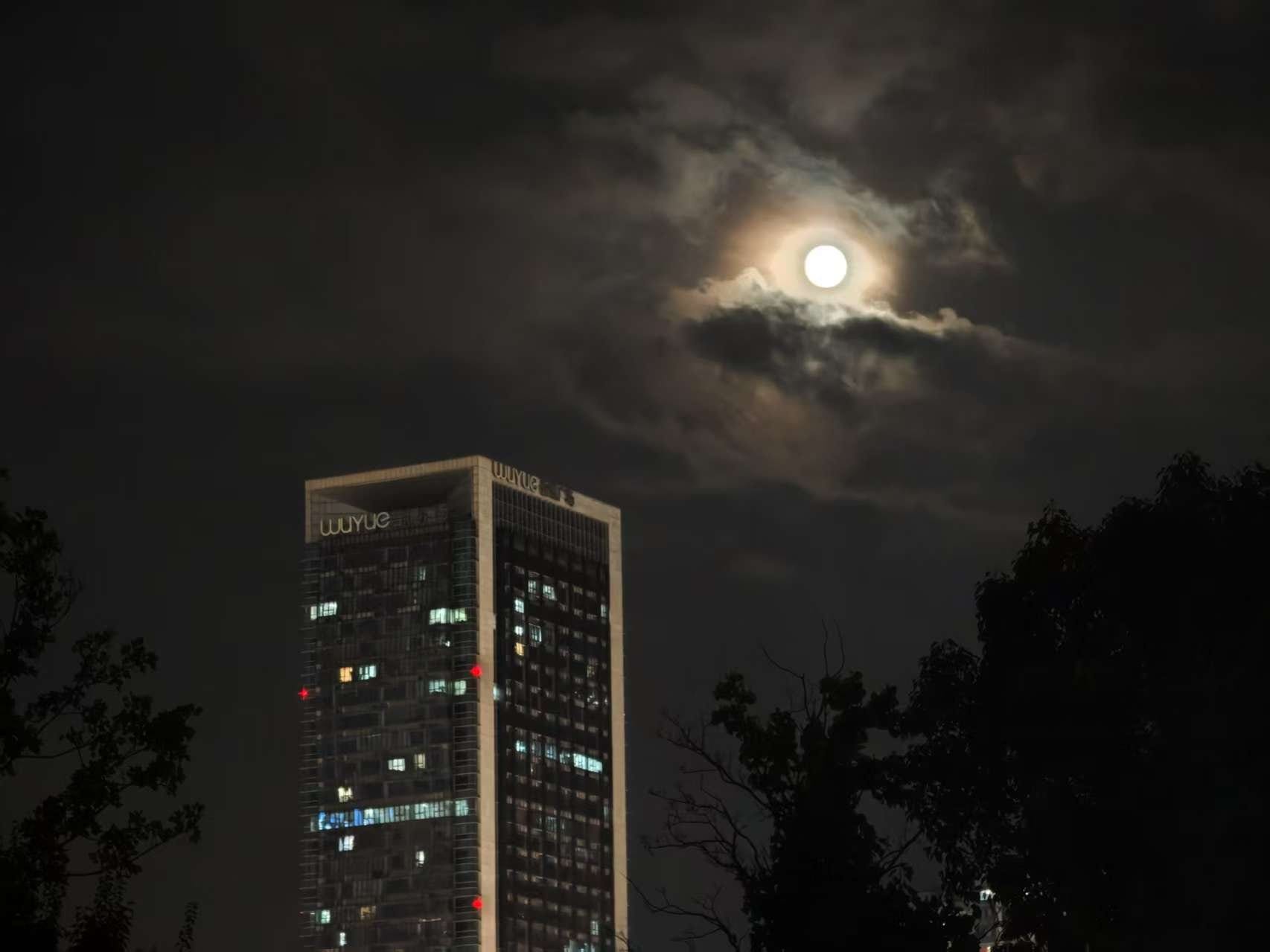
And yes, Yiwu has a skyline. In fact, Yiwu has a comically large skyline for the small county-level city it is. Yiwu has a downtown financial district built up along the Yiwu River that could put many larger cities to shame.
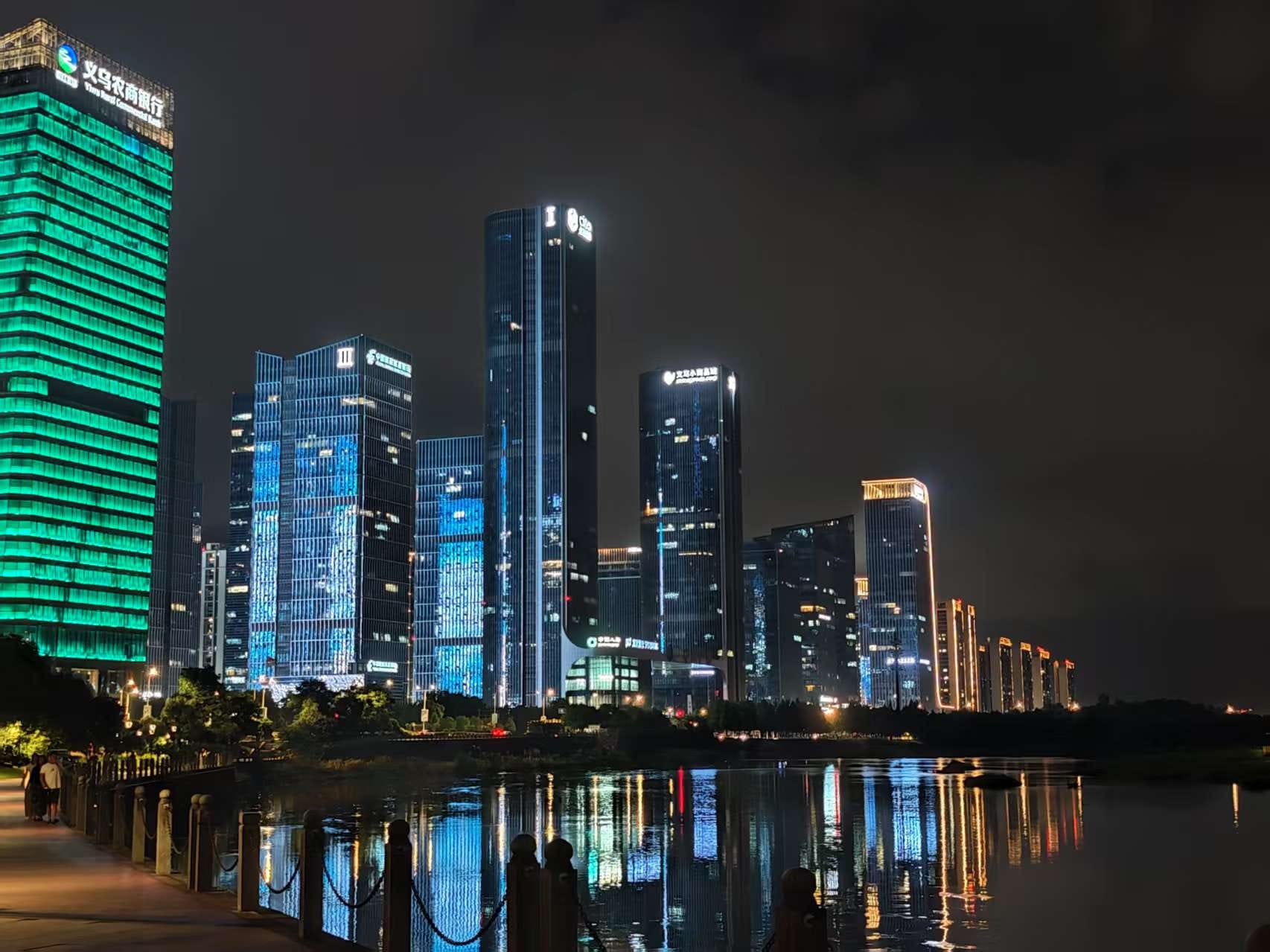
The names on the skyscrapers aren’t the ones you’d expect to see – no HSBC or Citigroup. Instead, it’s local companies – Yiwu-based banks, development companies, and of course hotels. With traders from all over the world arriving in Yiwu to procure goods, it seems the most thriving industry besides light goods sales is hospitality and hotels.
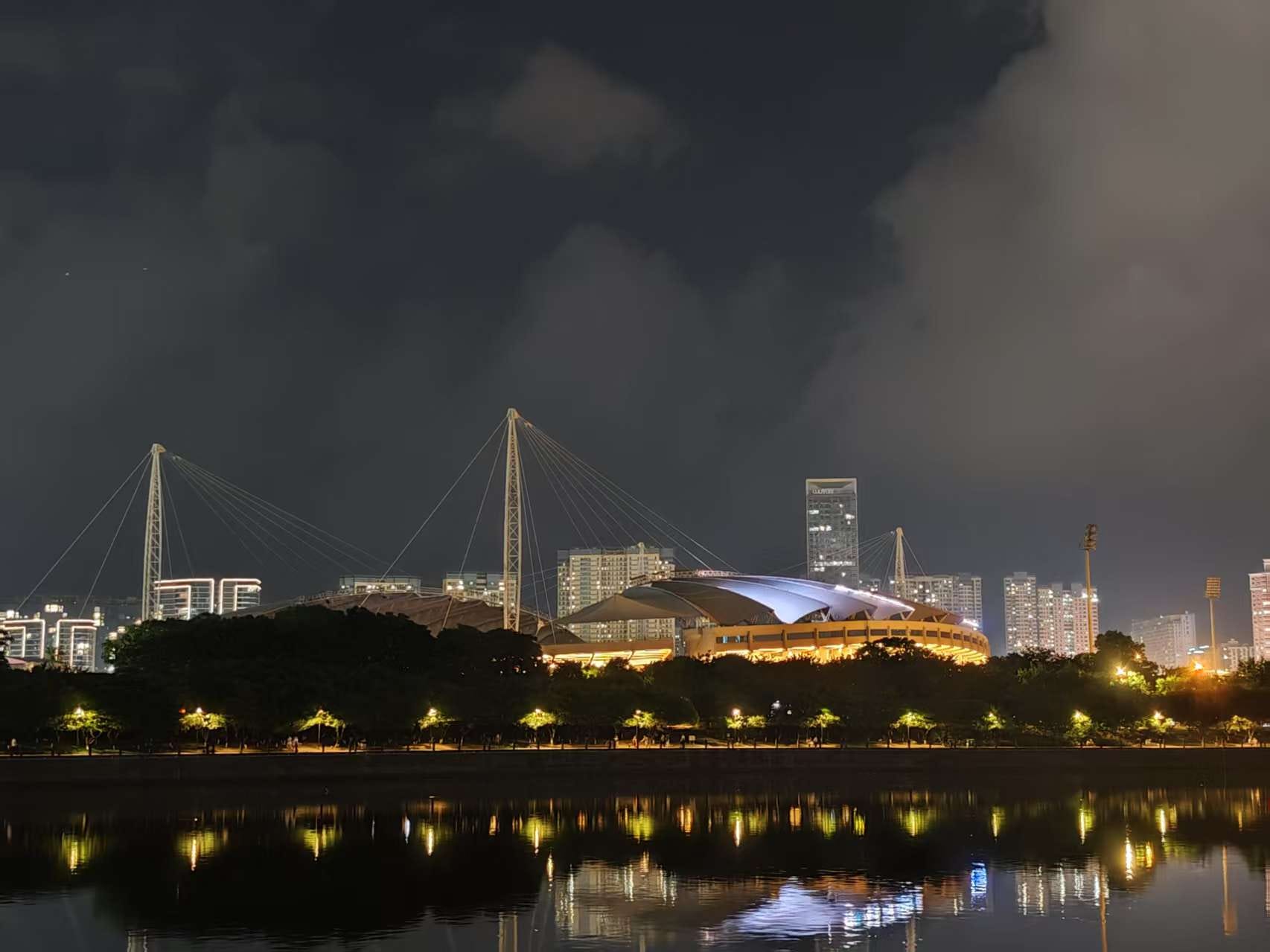
It certainly makes sense how Yiwu was ranked #7 in the nationwide ranking of strongest counties in China in 2025, with a YoY GDP growth rate of 7.5%.
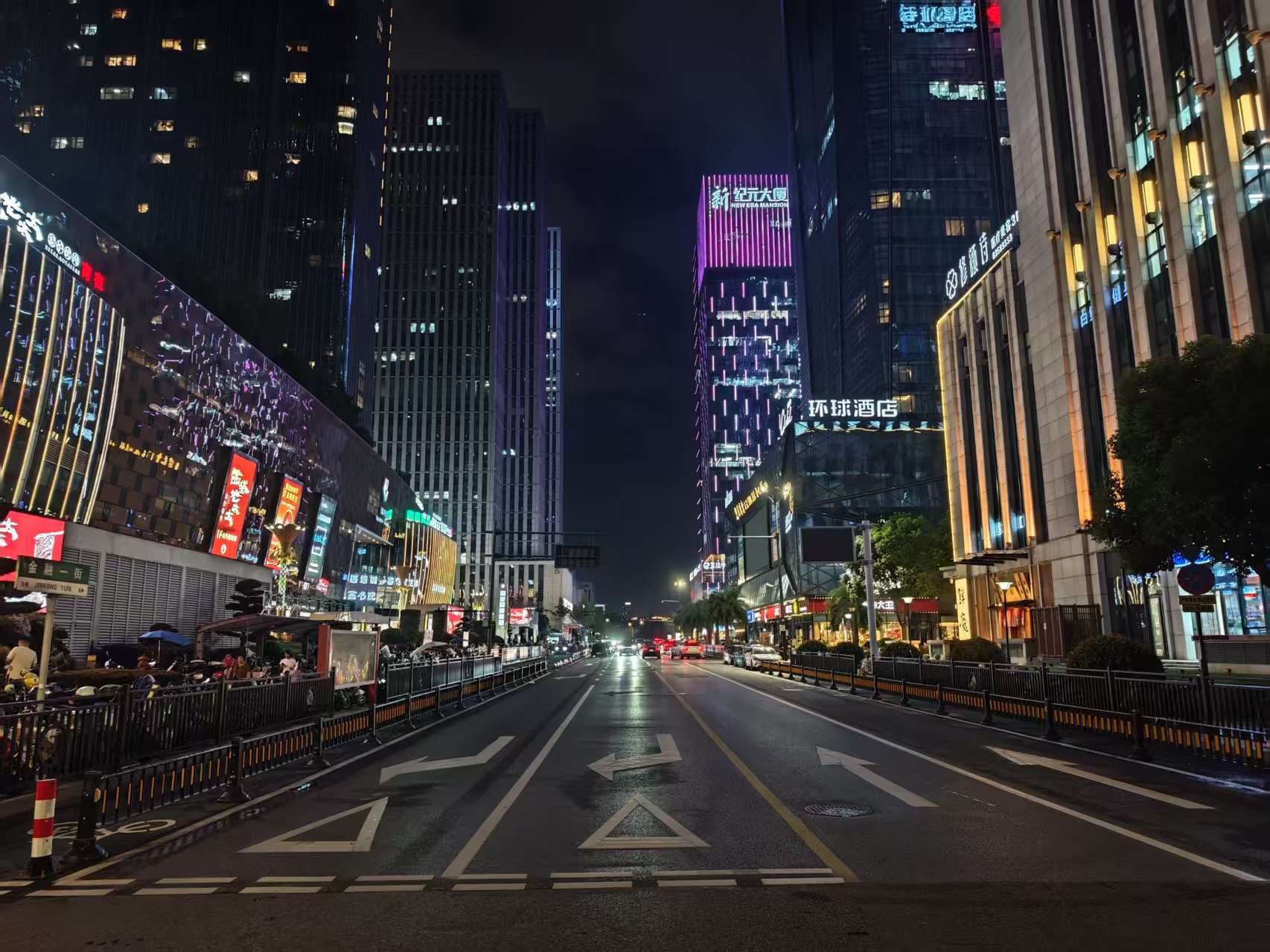
Besides being wealthy, Yiwu is also the most broadly diverse city I’ve seen in China. According to its municipal statistics, 1.4m of its 1.9m people are not from Yiwu.
The city has about 20,000 foreign residents, but also sees over 300,000 foreign visitors a year, many staying for weeks at a time, so there’s likely 30,000-40,000 foreigners (or about 2% of the city’s population) running around downtown Yiwu on any random day, making them highly visible.
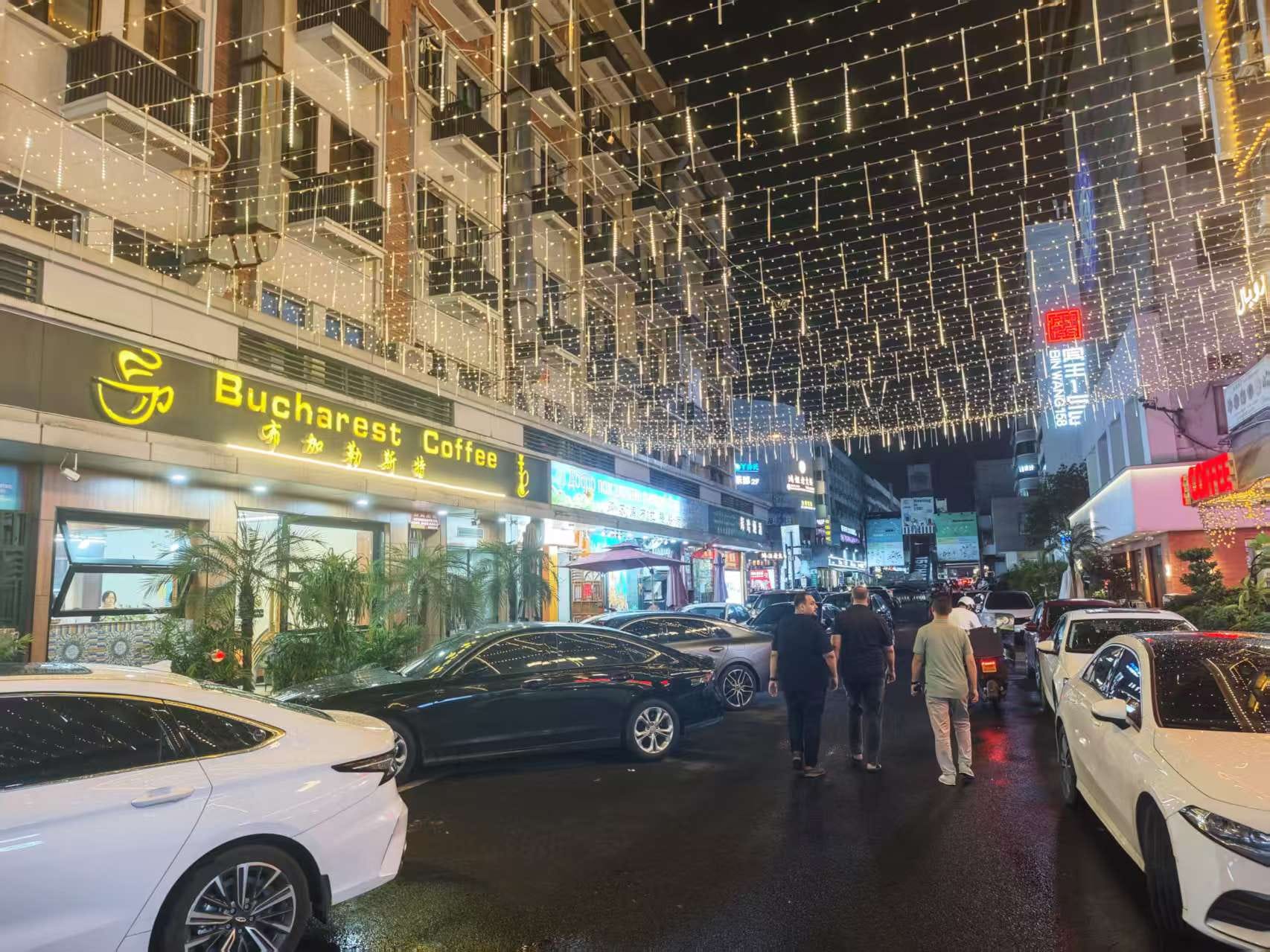
The foreign resident population is sufficiently large for entire neighborhoods to become international enclaves, reminiscent of Chinatowns in other countries.
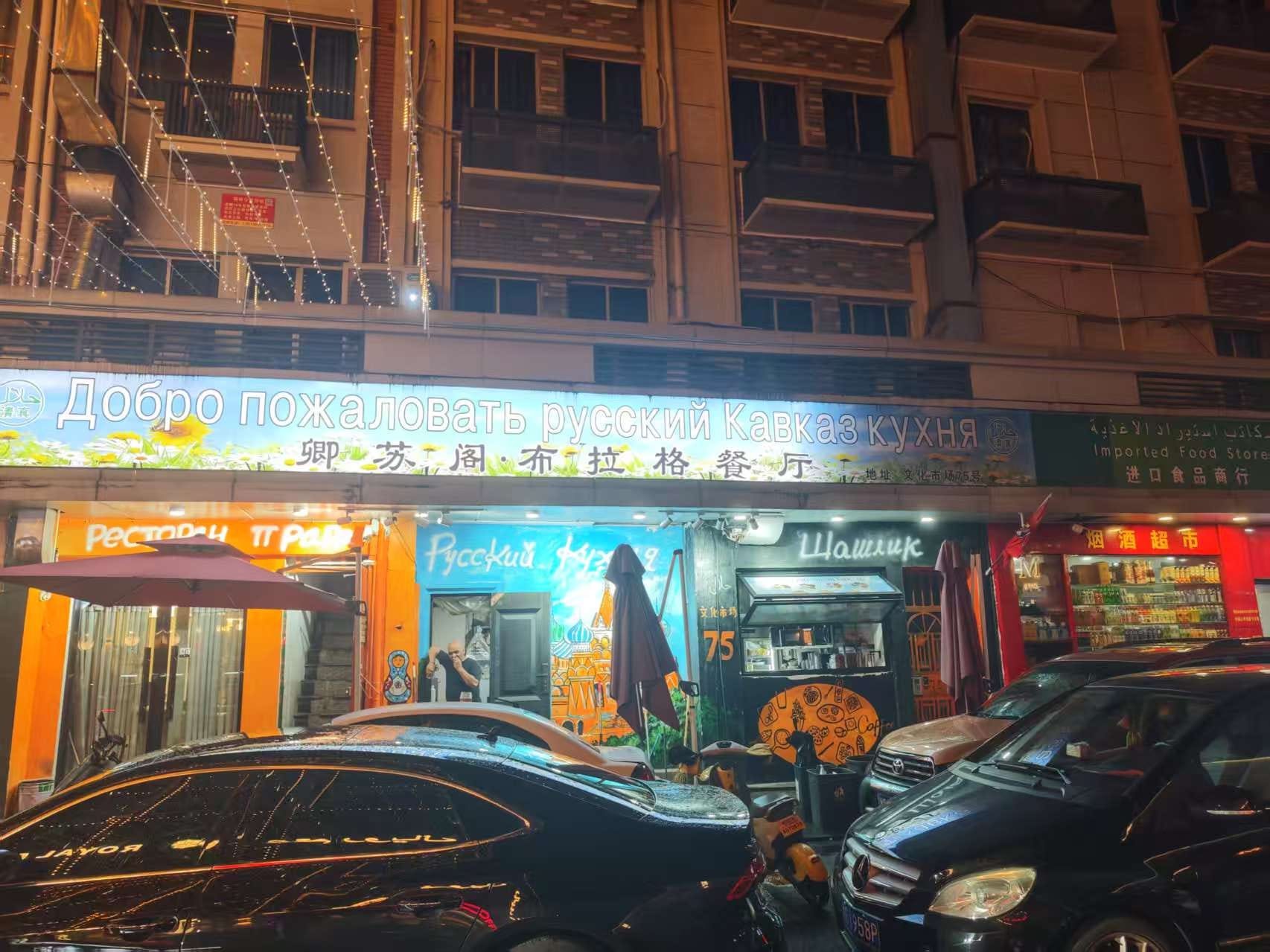
Before I came, several people had told me that the best Turkish food in China is found here, and now I believe it, having seen dozens of Turkish restaurants and coffee shops.
Over my two-day trip, I ate local Yiwu cuisine just once; my other three meals were Afghan, Turkish, and Georgian.
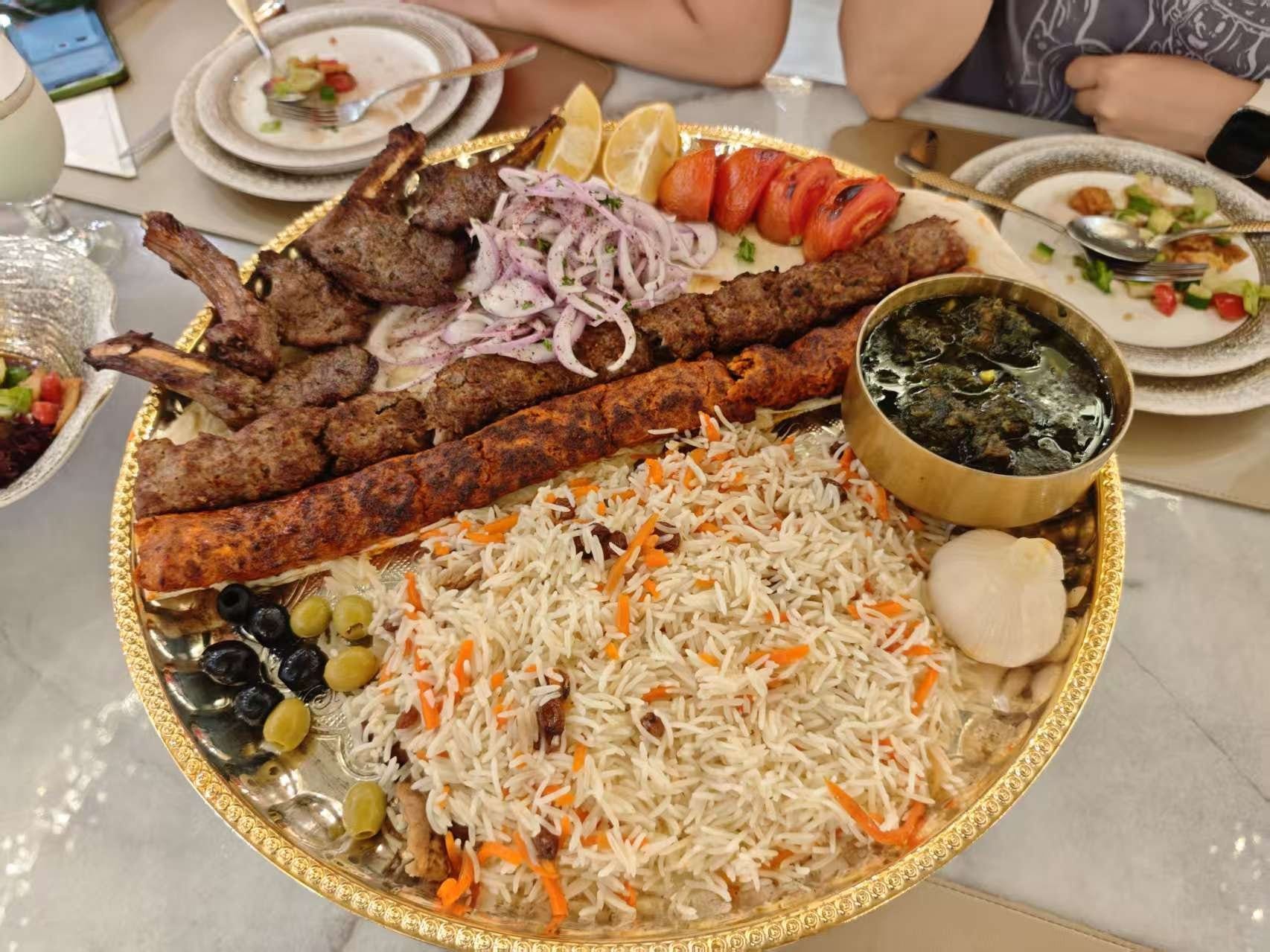
Perhaps because of the considerable presence of people from the Middle East (and the resulting proliferation of halal cuisine), Yiwu also appears to be a gathering point for Chinese Muslims. I've never seen them so concentrated in a city that isn't explicitly an ethnic minority region.
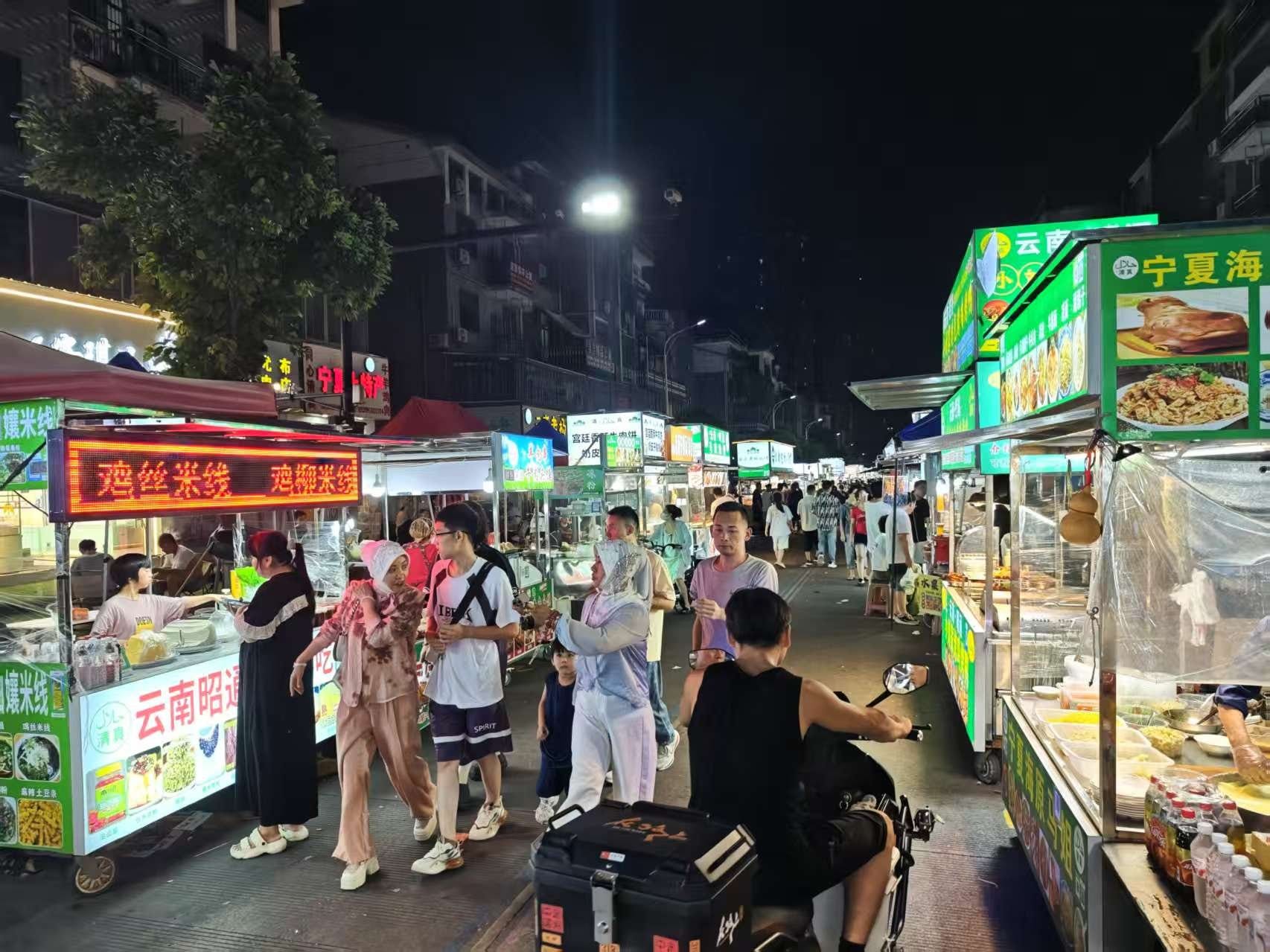
I saw Chinese men in taqiyah and women in Chinese-style headscarves everywhere, and also noticed quite a few international couples comprising a foreign Muslim man and a Chinese Muslim woman (it seemed to be mostly Hui women), which I've not seen anywhere else in China.
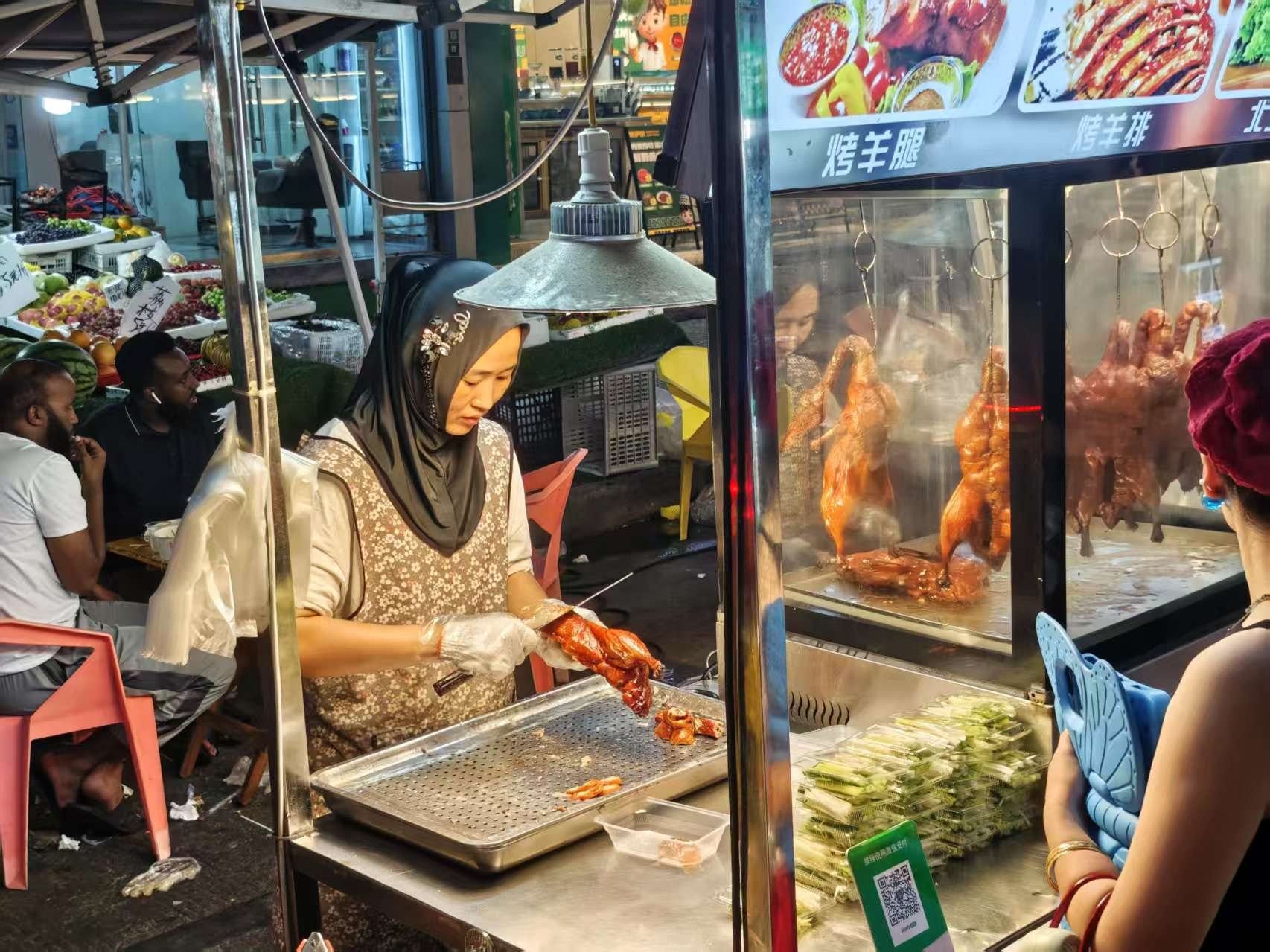
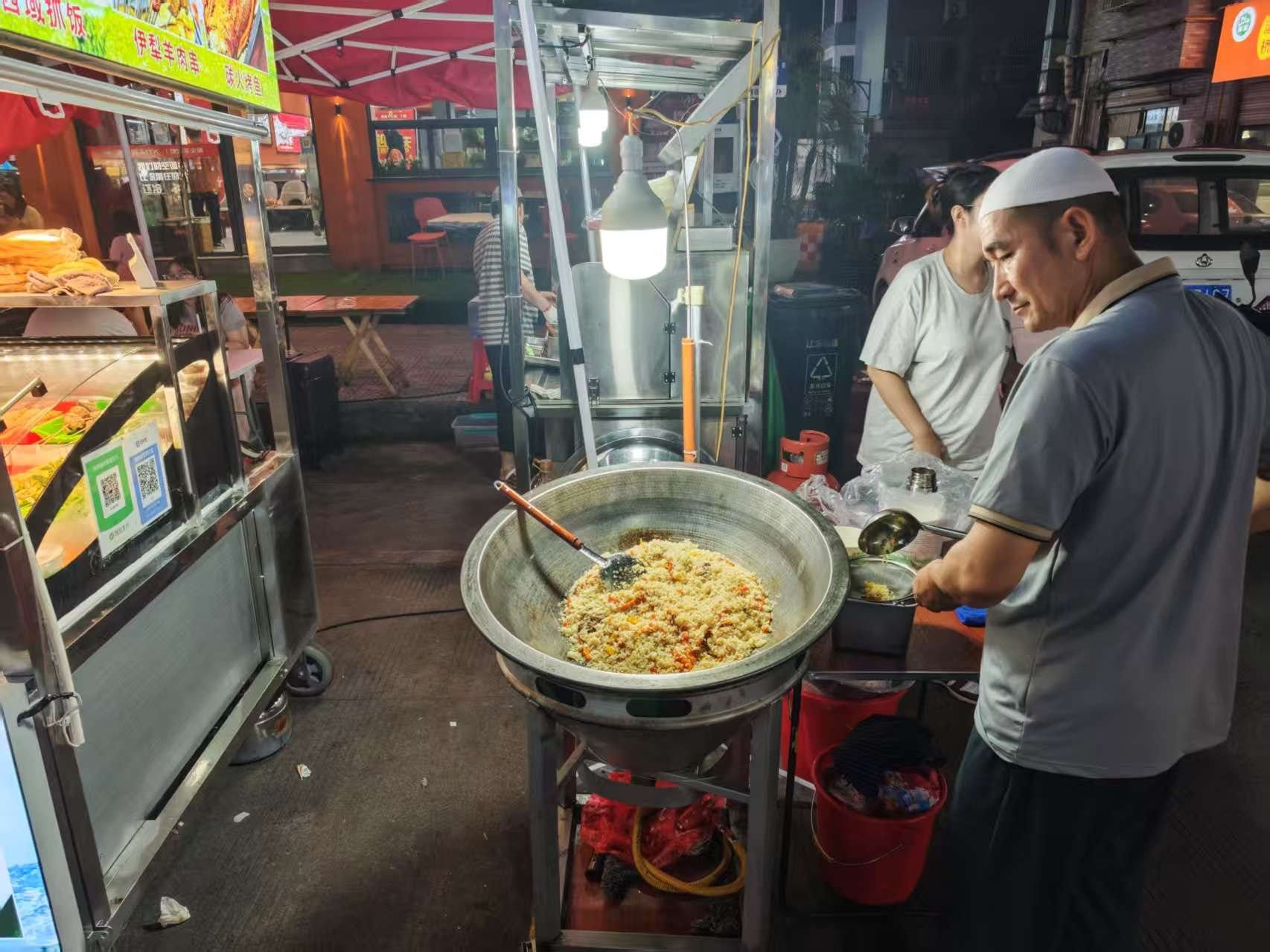
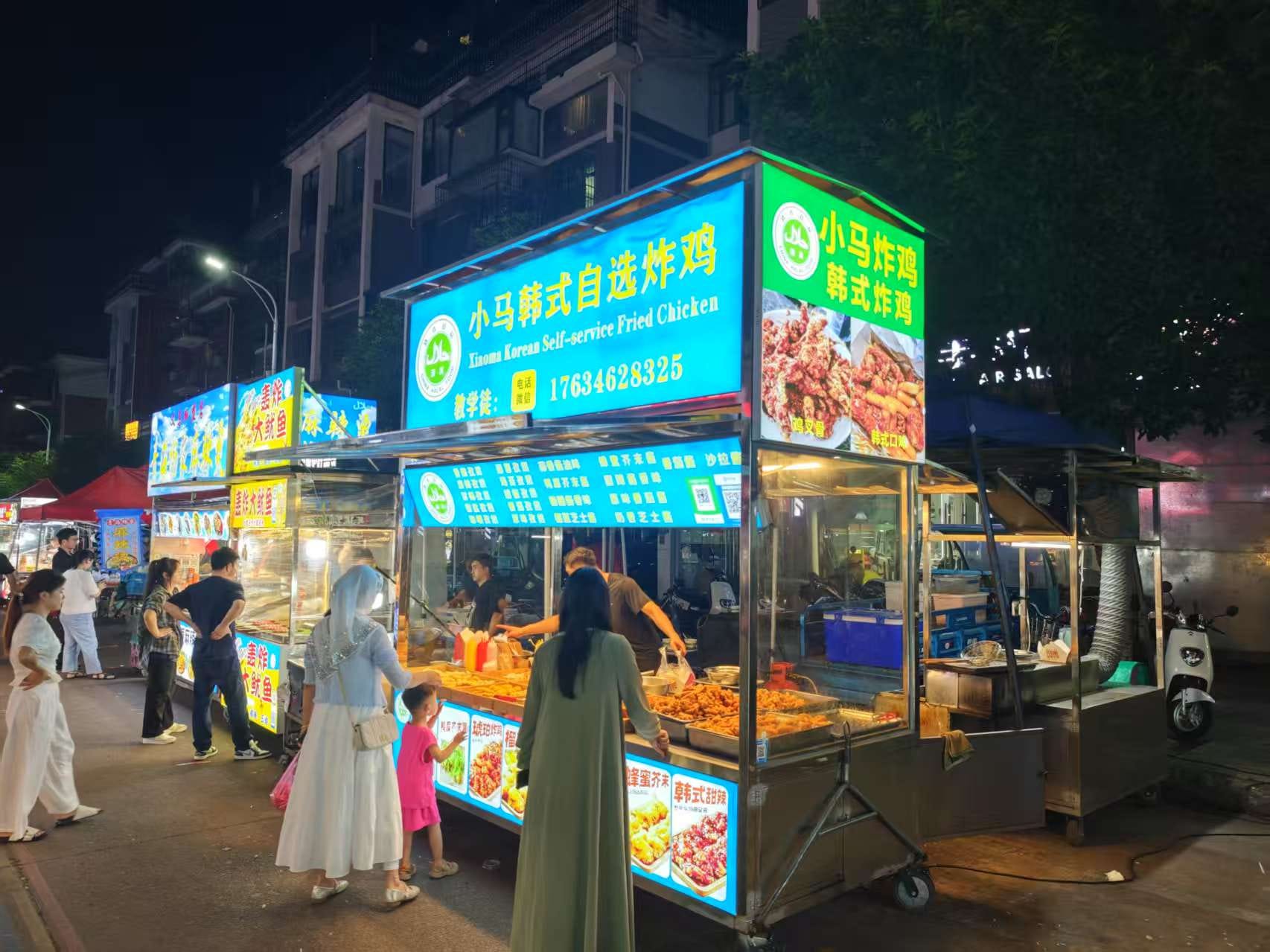
The Duantou Night Market is one of Yiwu’s 4 major night markets, and the only halal one, featuring Chinese Muslim cuisine from all over the country, including Mongolia, Gansu, Ningxia, Qinghai, Xinjiang, and Yunnan. I've traveled a lot in China and was still seeing new things.
Visiting Yiwu holds huge educational value, both to understand the mechanics of global wholesale distribution of light commodity goods, and, perhaps more interestingly, to help imagine a future where China becomes an immigration destination, and how those immigrants may live.
Overall, Yiwu was revelatory, a novel experience in a province I’ve recently had to admit I’ve been seriously underrating. The city was young, dynamic, diverse, and of course, cheap. There’s entrepreneurial spirit, vigor, and lots of wealth. Good vibes. Definitely worth a visit!
That’s all for this time. If you’re convinced by my description of Yiwu as a place worth visiting, and want to get more into Yiwu as an economic template for successful public-private partnerships empowering the world’s most efficient manufacturing, trading, distribution, and logistics hub, consider a visit on a private guide tour with Baiguan, hosted by yours truly. More information and sign-ups here.
the best hummus I ever had anywhere in the world was at a little restaurant in Yiwu run by a Lebanese family. It was seriously delicious, the absolute best by a country mile. I actually made a trip to Yiwu once just to eat that hummus. 😌
Just a note, Wucheng district is the center of Jinhua, not Jindong. Jindong is largely recently developed suburbs. Wucheng may have less people (probably because the apartment buildings are old and aren't as tall), but it is definitely the downtown. Also, worth visiting Yongkang, the self professed 五金店 capital of the world. Like the small commodities market, endless hardware stores, except all outside.